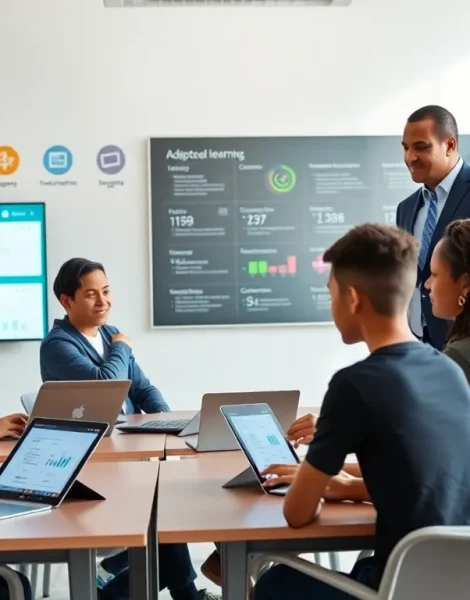
Top education today looks different than it did even five years ago. Schools, universities, and training programs are changing fast. Students now expect flexible, tech-driven experiences. Employers want graduates with real-world skills. Parents demand transparency and results.
These shifts have created new priorities in education. Personalized learning paths, classroom technology, emotional intelligence, and practical skills now sit at the center of modern curricula. Understanding these trends helps students, educators, and parents make informed decisions about learning in 2025 and beyond.
Table of Contents
ToggleKey Takeaways
- Top education today prioritizes personalized learning, technology integration, emotional intelligence, and practical skills over traditional one-size-fits-all approaches.
- Adaptive learning platforms like Khan Academy and DreamBox use real-time data to tailor instruction to each student’s pace and learning style.
- Technology integration—including AI tutors, virtual reality, and blended learning models—has become essential for preparing students for a digital economy.
- Social-emotional learning (SEL) helps students manage emotions and build relationships, with 92% of hiring managers considering soft skills as important as technical abilities.
- Skills-based education through project-based learning, micro-credentials, and vocational programs connects classroom learning directly to career readiness.
- Top education today benefits students, employers, and the economy by producing graduates with both real-world skills and emotional intelligence.
The Rise of Personalized Learning
Personalized learning has become a defining feature of top education today. This approach adjusts instruction to match each student’s pace, interests, and learning style. Instead of one-size-fits-all lessons, teachers now use data to identify gaps and strengths.
Adaptive learning platforms play a big role here. Programs like Khan Academy, IXL, and DreamBox assess student performance in real time. They then serve exercises that target specific weaknesses. A student struggling with fractions gets extra practice. A student who masters the concept moves ahead.
This model benefits both struggling and advanced learners. Struggling students receive support before they fall behind. Advanced students avoid boredom and stay engaged. Research from the RAND Corporation shows that personalized learning can improve math and reading scores, especially in schools that carry out it consistently.
Teachers also benefit. They spend less time on repetitive instruction and more time on one-on-one coaching. Data dashboards give them clear insights into class progress. They can spot patterns, like a concept most students find confusing, and adjust their lessons.
Personalized learning does require investment. Schools need devices, software, and training. But the payoff is clear: students who feel seen and supported learn better. That’s why personalized learning remains central to top education today.
Technology Integration in Modern Classrooms
Technology has moved from a nice-to-have to a must-have in education. Modern classrooms use digital tools daily. Interactive whiteboards, tablets, learning management systems, and video conferencing platforms have become standard.
The COVID-19 pandemic accelerated this shift. Schools that once resisted online learning adopted it overnight. Many discovered that blended models, combining in-person and online instruction, work well. Students can review recorded lectures at home. Class time becomes more interactive.
Artificial intelligence is also making inroads. AI tutors provide instant feedback on writing and math problems. Chatbots answer student questions around the clock. Some schools use AI to identify students at risk of dropping out, allowing early intervention.
Virtual and augmented reality offer new possibilities too. Medical students practice surgeries in VR. History classes take virtual tours of ancient Rome. Science students explore molecules in 3D. These immersive experiences make abstract concepts tangible.
Of course, technology integration requires balance. Screen time concerns are real. Not all families have reliable internet access. Teachers need ongoing professional development to use new tools effectively.
Still, technology remains essential to top education today. Schools that embrace it thoughtfully prepare students for a digital economy. Those that resist risk leaving their students behind.
Focus on Social-Emotional Learning
Academic knowledge alone no longer defines success. Top education today includes social-emotional learning, or SEL. This approach teaches students to manage emotions, build relationships, and make responsible decisions.
SEL programs have gained traction for good reason. Mental health challenges among young people have increased. Anxiety, depression, and loneliness affect student performance. Schools that address these issues see better attendance and fewer behavioral problems.
Programs like CASEL (Collaborative for Academic, Social, and Emotional Learning) provide frameworks for SEL instruction. Students learn to identify their feelings, practice empathy, and resolve conflicts peacefully. Some schools dedicate specific class time to SEL. Others weave it into existing subjects.
Teachers model SEL skills too. They demonstrate active listening and calm problem-solving. They create safe spaces where students feel comfortable speaking up. This classroom culture supports learning.
Employers value SEL skills as well. Communication, teamwork, and adaptability rank high on their wish lists. A 2023 LinkedIn survey found that 92% of hiring managers consider soft skills as important as technical abilities.
Top education today recognizes that emotional intelligence matters. Students who learn to regulate their emotions and connect with others are better prepared for work and life.
Emphasis on Skills-Based Education
Degrees still matter, but skills are gaining ground. Many employers now care more about what candidates can do than where they studied. This shift has pushed schools toward skills-based education.
Project-based learning illustrates this trend. Students tackle real-world problems instead of memorizing facts for tests. A science class might design a water filtration system. A business class might create a marketing plan for a local nonprofit. These projects build critical thinking and collaboration.
Micro-credentials and certifications have also grown popular. Platforms like Coursera, LinkedIn Learning, and Google offer courses in coding, data analysis, and digital marketing. Students earn badges that signal specific competencies to employers.
Vocational and career-technical education programs are seeing renewed interest too. Skilled trades, electricians, welders, HVAC technicians, offer strong wages and job security. High schools and community colleges are expanding these pathways.
Top education today connects learning to careers. Internships, apprenticeships, and co-op programs give students hands-on experience before graduation. Career counseling starts earlier, helping students explore options in middle school.
This emphasis on skills benefits everyone. Students graduate ready to contribute. Employers find qualified candidates. The economy gets the talent it needs.