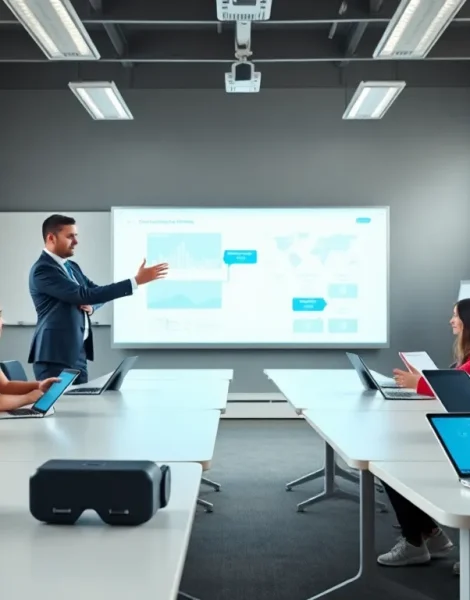
What is education today? The answer looks very different than it did even five years ago. Students now learn through digital platforms, hybrid classrooms, and personalized curricula that adapt to individual needs. Teachers use artificial intelligence tools to track progress. Parents expect schools to prepare children for jobs that don’t yet exist.
Education today blends traditional teaching methods with technology-driven approaches. This shift affects everyone, from kindergartners learning to read on tablets to professionals pursuing online certifications. Understanding modern education helps students, parents, and educators make informed decisions about learning paths and career development.
This article examines how education has changed, what defines learning in 2025, the obstacles schools face, and where education is headed next.
Table of Contents
ToggleKey Takeaways
- Education today blends traditional teaching with technology-driven approaches, including hybrid classrooms, AI tools, and personalized learning paths.
- Modern curricula prioritize critical thinking, collaboration, and digital literacy over rote memorization of facts.
- The digital divide, teacher shortages, and student mental health concerns remain significant challenges facing education today.
- Employers increasingly value skills and competencies over traditional degrees, pushing schools toward practical, career-focused learning.
- Lifelong learning is becoming essential as careers evolve, making education a continuous process beyond childhood.
- AI tutors, micro-credentials, and stronger industry-education partnerships will shape the future of learning.
How Education Has Evolved in Recent Years
Education today reflects decades of gradual change, and a few sudden leaps. The COVID-19 pandemic forced schools worldwide to adopt remote learning almost overnight. That emergency pivot left a lasting mark.
Before 2020, online learning existed mainly in higher education. Community colleges and universities offered distance courses, but K-12 schools relied heavily on in-person instruction. The pandemic changed that calculation. Schools invested in learning management systems, video conferencing tools, and digital curricula. Teachers learned to engage students through screens.
Many of those changes stuck. Today, hybrid learning models are common. Students might attend class in person three days per week and complete assignments online the other two days. This flexibility helps families manage schedules and allows students to learn at their own pace.
Education today also emphasizes different skills than previous generations learned. Memorizing facts matters less when information is always accessible. Instead, schools focus on critical thinking, collaboration, and digital literacy. Students learn to evaluate sources, work in teams across time zones, and use technology as a tool rather than a distraction.
Another shift involves who delivers education. Traditional schools still dominate, but alternatives have grown. Homeschooling increased significantly during the pandemic and remains popular. Microschools, small learning communities of 10-15 students, offer personalized attention. Online academies serve students who thrive outside conventional classrooms.
The relationship between education and employment has also shifted. Employers increasingly value skills over degrees. Some companies have dropped college requirements for certain positions. This change pushes schools to prepare students for careers through practical experience, internships, and project-based learning.
Key Features of Modern Education
Several characteristics define education today and set it apart from earlier eras.
Technology Integration
Digital tools are now standard in classrooms. Students use tablets, laptops, and educational apps daily. Teachers assign work through online platforms and provide feedback electronically. Artificial intelligence helps identify learning gaps and suggests resources. Virtual reality lets students explore ancient Rome or the human bloodstream without leaving their seats.
Personalized Learning
Education today moves away from one-size-fits-all instruction. Adaptive learning software adjusts difficulty based on student performance. Teachers differentiate instruction to meet individual needs. Some schools let students progress through material at their own speed rather than advancing with their grade level.
Focus on Soft Skills
Modern curricula emphasize communication, creativity, and emotional intelligence alongside traditional academics. Group projects teach collaboration. Presentations build public speaking confidence. Social-emotional learning programs help students manage stress and build relationships.
Global Connectivity
Students today connect with peers worldwide. Video calls link classrooms across continents. Online platforms enable collaboration on international projects. This exposure prepares students for a global workforce and builds cultural awareness.
Flexible Learning Environments
Physical classrooms look different than they did twenty years ago. Many feature flexible seating, breakout spaces, and technology stations. Learning happens beyond school walls too, in museums, businesses, and outdoor settings. Education today extends beyond the traditional school day through online resources students can access anytime.
Competency-Based Assessment
Some schools are moving away from letter grades toward competency-based assessment. Students demonstrate mastery of specific skills before advancing. This approach ensures genuine understanding rather than surface-level knowledge.
Challenges Facing Education Today
Education today faces significant obstacles that affect students, teachers, and communities.
The Digital Divide
Not all students have equal access to technology. Rural areas often lack reliable internet. Low-income families may share one device among multiple children. This gap creates unequal learning opportunities. Schools and governments work to close this divide through device lending programs and broadband expansion, but progress is uneven.
Teacher Shortages
Many regions face critical teacher shortages. Low pay, high stress, and demanding workloads drive educators out of the profession. Some districts rely on substitutes or uncertified instructors. This shortage affects education today by increasing class sizes and limiting course offerings.
Mental Health Concerns
Student mental health has become a pressing issue. Anxiety, depression, and social isolation affect learning. Schools employ counselors and carry out wellness programs, but demand often exceeds resources. Education today must address emotional well-being alongside academic achievement.
Funding Inequities
School funding varies dramatically by location. Wealthy districts can afford modern facilities, small class sizes, and extensive extracurriculars. Schools in poorer areas struggle to provide basic supplies. These disparities perpetuate inequality and limit opportunities for disadvantaged students.
Keeping Pace with Change
Technology and workforce needs change faster than curricula can adapt. Schools may teach skills that become obsolete before students graduate. Education today must balance foundational knowledge with adaptability, preparing students for careers that will transform throughout their working lives.
Screen Time Concerns
Increased technology use raises questions about screen time effects on developing brains. Parents and educators debate how much digital learning is appropriate, especially for younger children. Finding the right balance remains an ongoing challenge.
The Future of Learning
Where is education today heading? Several trends point toward significant changes in the coming years.
Artificial intelligence will play a larger role. AI tutors may provide personalized instruction around the clock. Teachers could spend less time on routine tasks and more time on meaningful student interactions. But, this shift raises questions about privacy, equity, and the human elements of teaching that machines cannot replicate.
Credentialing may become more flexible. Micro-credentials and digital badges already recognize specific skills. This trend could accelerate, allowing learners to build customized portfolios of competencies rather than pursuing traditional degrees. Education today is starting to reflect this shift, with more employers accepting alternative credentials.
Lifelong learning will become essential. As careers span longer periods and industries transform, workers will need to update skills continuously. Education today already extends beyond childhood, and this trend will intensify. Schools, employers, and individuals will share responsibility for ongoing development.
Collaboration between education and industry will deepen. Apprenticeships, internships, and work-study programs give students real-world experience. Companies partner with schools to develop curricula that match job requirements. This connection helps students transition smoothly from education to employment.
Physical schools will likely remain important, but their purpose may shift. They’ll serve as community hubs, socialization spaces, and places for hands-on activities that don’t translate well to screens. The purely instructional role of schools may decrease as students access content through various channels.
Education today stands at an inflection point. The choices schools, policymakers, and families make now will shape learning for generations.