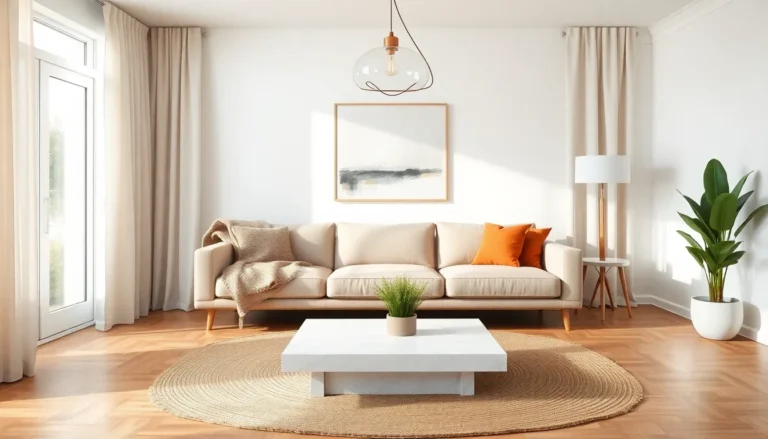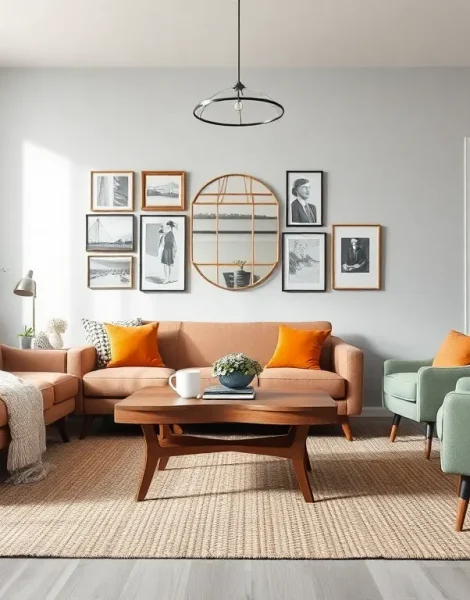
Interior design ideas and techniques can turn any room from ordinary to extraordinary. Whether someone is refreshing a single space or rethinking an entire home, the right approach makes all the difference. Good design balances function with beauty. It creates rooms that feel welcoming and work for daily life.
This guide covers practical strategies anyone can apply. From understanding core principles to stretching a budget, these interior design ideas offer clear direction. The goal is simple: create spaces that look great and feel even better.
Table of Contents
ToggleKey Takeaways
- Master balance, proportion, rhythm, and emphasis as the foundational interior design techniques that apply to every style.
- Use the 60-30-10 color rule to create visual harmony—60% dominant color, 30% secondary, and 10% accent.
- Layer lighting at three levels (ambient, task, and accent) and install dimmers to maximize flexibility in any room.
- Mix textures generously throughout your space to add depth that color alone cannot provide.
- Start with paint for the fastest, most budget-friendly transformation when applying interior design ideas.
- Focus on completing one room at a time rather than spreading your budget thin across the entire home.
Understanding the Fundamentals of Interior Design
Every successful space starts with solid fundamentals. Interior design ideas and techniques build on a few core principles that professionals use daily.
Balance creates visual stability. A room feels off when one side carries all the visual weight. Symmetrical balance places matching items on either side of a center point. Asymmetrical balance uses different objects of similar visual weight. Both approaches work, the key is intention.
Proportion and scale matter more than most people realize. A massive sectional sofa in a small living room overwhelms the space. A tiny coffee table next to an oversized couch looks wrong. Furniture and decor should relate logically to the room size and to each other.
Rhythm moves the eye through a space. Repeating colors, patterns, or shapes creates visual connection. A room without rhythm feels disjointed. Think of it like music, there needs to be a consistent beat.
Emphasis gives every room a star. This might be a fireplace, a bold piece of art, or a statement furniture piece. Without a focal point, the eye wanders with nowhere to land.
These fundamentals apply to every style, from traditional to ultra-modern. Master them, and interior design ideas become much easier to execute.
Popular Design Styles to Inspire Your Home
Knowing which style speaks to someone makes decisions easier. Here are the most popular approaches driving interior design ideas today.
Modern keeps things clean and simple. It features straight lines, neutral colors, and minimal ornamentation. Furniture tends toward low profiles with metal or glass accents. Modern design values open space as much as the objects within it.
Contemporary often gets confused with modern, but it shifts with current trends. Right now, contemporary leans into curved furniture, warm neutrals, and natural materials. It borrows from many eras while staying current.
Scandinavian prioritizes function and light. Think white walls, blonde wood, cozy textiles, and lots of plants. This style works especially well in smaller spaces because it avoids clutter.
Mid-Century Modern draws from the 1950s and 60s. It features organic shapes, tapered legs, and bold accent colors. Pieces by designers like Eames and Saarinen define this look.
Bohemian breaks the rules on purpose. It layers patterns, mixes colors freely, and embraces collected-over-time aesthetics. Plants, textiles, and global influences show up throughout.
Farmhouse combines rustic charm with modern comfort. Shiplap walls, barn doors, and distressed wood pair with contemporary fixtures and clean lines.
Most successful rooms blend elements from multiple styles. Pure adherence to one aesthetic often feels like a showroom rather than a home.
Essential Techniques for Creating Balanced Spaces
Interior design ideas only work when executed with proven techniques. These practical methods help create rooms that function as well as they look.
Start with a floor plan. Before buying anything, sketch the room to scale. Mark doors, windows, and electrical outlets. This step prevents expensive mistakes like furniture that blocks pathways or doesn’t fit.
Apply the 60-30-10 color rule. Use a dominant color for 60% of the room (usually walls and large furniture). A secondary color covers 30% (curtains, rugs, accent chairs). An accent color appears in 10% (pillows, art, accessories). This ratio creates visual harmony without confusion.
Create zones in open spaces. Rugs define seating areas. Furniture arrangement separates dining from living. Even small rooms benefit from clear zones, a reading nook, a work corner, a conversation area.
Mix textures generously. A room with all smooth surfaces feels cold. Combine rough with smooth, matte with shiny, soft with hard. A leather sofa pairs with a chunky knit throw. A glass table sits on a woven rug. Texture adds depth that color alone can’t provide.
Leave negative space. Not every corner needs filling. Empty space lets the eye rest and highlights what matters. Overcrowded rooms feel anxious. Thoughtful restraint reads as confident.
These techniques apply whether someone is designing a studio apartment or a sprawling house. Scale changes: principles don’t.
Color and Lighting Strategies That Work
Color and lighting transform spaces more dramatically than any other element. Smart interior design ideas leverage both strategically.
Understand color psychology. Blues and greens calm. They work well in bedrooms and bathrooms. Yellows and oranges energize. They suit kitchens and home offices. Neutrals provide flexibility and make spaces feel larger.
Test before committing. Paint samples look different in store lighting versus home lighting. Always test colors on walls and observe them at different times of day. A shade that looks perfect at noon might turn muddy at sunset.
Layer lighting at three levels. Ambient lighting provides overall illumination (ceiling fixtures, recessed lights). Task lighting serves specific activities (desk lamps, under-cabinet lights). Accent lighting highlights features (picture lights, uplighting). Rooms with only one lighting layer feel flat.
Use dimmers everywhere possible. A single room serves many purposes. Bright light works for cleaning. Soft light suits evening relaxation. Dimmers provide flexibility without multiple fixtures.
Let natural light lead. Windows are assets. Heavy curtains that stay closed waste them. Sheer panels maintain privacy while allowing daylight. Mirrors placed across from windows bounce light deeper into rooms.
Match light temperature to function. Warm light (2700-3000K) creates cozy atmospheres for living areas. Cool light (4000K+) aids concentration in workspaces. Mixing temperatures in one room creates visual confusion.
Color and lighting work together. A beautifully painted room looks dull under poor lighting. A well-lit room with wrong colors still falls flat. Both elements need attention.
Budget-Friendly Tips for Impactful Results
Great interior design ideas don’t require unlimited funds. These strategies deliver maximum impact without breaking budgets.
Paint first. Nothing transforms a room faster or cheaper. A gallon of quality paint costs under $50 and covers about 400 square feet. Fresh paint makes everything else look better.
Shop secondhand strategically. Thrift stores, estate sales, and online marketplaces offer quality pieces at fractions of retail prices. Solid wood furniture, vintage lighting, and unique accessories often cost less used than new particle board versions.
Invest in what you touch. Splurge on sofas, mattresses, and chairs. Skimp on side tables, decorative objects, and trendy accessories. Comfort pieces get daily use. Decorative items can upgrade later.
Update hardware. New drawer pulls, cabinet handles, and light switch plates cost little but create noticeable change. Swap builder-grade brass for matte black or brushed nickel.
Rearrange before buying. Sometimes a room just needs reorganization. Try new furniture arrangements. Move art to different walls. Swap pieces between rooms. This costs nothing and often solves problems.
DIY selectively. Painting, installing shelves, and basic upholstery save money. Electrical work, plumbing, and structural changes require professionals. Know the difference.
Focus on one room at a time. Spreading a budget thin across an entire home produces mediocre results everywhere. Finishing one space completely creates satisfaction and provides a reference point for future rooms.
Budget limitations often inspire creativity. Some of the most interesting interior design ideas come from working around constraints rather than spending through them.