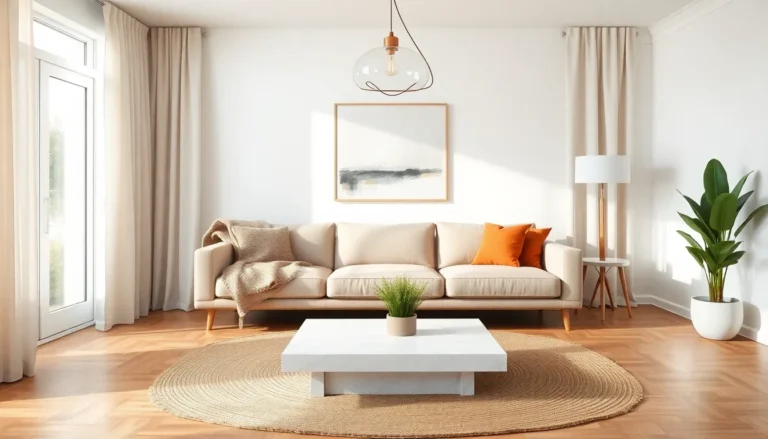
Finding interior design ideas that actually work for your home can feel overwhelming. Thousands of images flood Pinterest boards and Instagram feeds daily. The challenge isn’t finding inspiration, it’s knowing what to do with it.
Good interior design ideas start with intention. They reflect who lives in the space, how the space functions, and what makes it feel like home. This guide breaks down practical steps to discover interior design ideas that transform any room from ordinary to exceptional. Whether starting from scratch or refreshing an existing space, these strategies help turn inspiration into reality.
Table of Contents
ToggleKey Takeaways
- Start your interior design journey by defining your personal style through mood boards and examining patterns in items you already love.
- Gather interior design ideas from diverse sources—digital platforms, physical spaces like hotels and restaurants, and unexpected inspiration like nature and travel.
- Establish a focal point in every room to anchor your design and guide furniture arrangement, lighting, and decor decisions.
- Use the 60-30-10 color rule (dominant, secondary, accent) and layer textures to create dimensional, visually interesting spaces.
- Maximize your budget by prioritizing high-impact changes like paint and lighting, shopping secondhand, and tackling simple DIY projects.
- Invest in quality for daily-use furniture like sofas and dining tables while saving on decorative accessories you can easily swap later.
Define Your Personal Style
Every successful interior design project begins with self-awareness. Before browsing catalogs or visiting showrooms, take time to identify personal preferences. This step prevents impulse purchases and creates cohesive spaces.
Start by examining existing belongings. Which pieces bring joy? What colors appear repeatedly in clothing or accessories? These patterns reveal natural inclinations that translate well into interior design ideas.
Consider these common style categories:
- Modern: Clean lines, minimal ornamentation, neutral palettes
- Traditional: Classic furniture shapes, rich colors, symmetrical arrangements
- Bohemian: Layered textures, global influences, eclectic collections
- Scandinavian: Light woods, white walls, functional simplicity
- Industrial: Exposed materials, metal accents, urban edge
Most people blend two or three styles. That’s perfectly normal. A homeowner might love modern furniture but prefer bohemian textiles. Understanding these preferences helps filter interior design ideas effectively.
Create a simple mood board with magazine clippings or digital images. Look for recurring themes. Do the collected images feature warm or cool tones? Busy patterns or solid colors? This exercise clarifies personal style faster than any quiz.
Gather Inspiration From Multiple Sources
Interior design ideas live everywhere, not just on social media. Diversifying inspiration sources leads to more original spaces.
Digital Platforms
Pinterest remains a top destination for interior design ideas. Create specific boards for each room. Save images that spark genuine excitement, not just popular posts. Instagram and TikTok offer real-time trends, though they sometimes favor aesthetics over practicality.
Design websites like Houzz and Apartment Therapy showcase real homes with realistic budgets. These platforms often include product sources and cost breakdowns.
Physical Spaces
Hotels, restaurants, and retail stores invest heavily in design. Pay attention during visits. Notice how lighting affects mood. Observe furniture arrangements that encourage conversation. Take photos of interesting details.
Open houses and home tours provide interior design ideas from actual living spaces. Model homes demonstrate professional staging techniques. Even friends’ homes offer lessons, what works, what doesn’t, and why.
Unexpected Sources
Nature provides endless color combinations. A sunset might inspire a bedroom palette. Forest textures could influence a living room scheme. Art museums expose visitors to color theory and composition principles that apply directly to interior design ideas.
Travel opens eyes to different cultural approaches. Japanese minimalism, Moroccan patterns, and French elegance all offer distinct perspectives worth considering.
Start With a Focal Point
Every well-designed room needs a focal point. This anchor draws the eye and establishes the space’s character. Without one, rooms feel scattered and incomplete.
Common focal points include:
- Fireplaces (architectural features command attention)
- Large windows with views
- Statement furniture pieces
- Gallery walls or oversized art
- Accent walls with bold color or texture
Once the focal point is identified or created, arrange other elements around it. Furniture should face or frame the focal point. Lighting should highlight it. This approach brings order to interior design ideas that might otherwise compete for attention.
In rooms without obvious architectural features, create a focal point. A dramatic headboard transforms a bedroom. A striking console table anchors an entryway. A colorful rug defines a seating area.
The focal point also guides decisions about scale and proportion. Large rooms handle substantial focal points, oversized art or sectional sofas. Smaller spaces benefit from more subtle anchors like a single statement chair or decorative mirror.
Interior design ideas work best when they support, not fight, the focal point. Every addition should ask: does this enhance or distract from the room’s main attraction?
Work With Color and Texture
Color and texture turn flat spaces into dimensional experiences. They’re the secret ingredients behind memorable interior design ideas.
Choosing a Color Palette
Start with three colors: a dominant shade (60% of the room), a secondary shade (30%), and an accent (10%). This formula creates balance without monotony.
Neutral dominants work for most homeowners. Whites, grays, beiges, and taupes provide flexibility. Bolder secondary colors add personality. Bright accents inject energy through pillows, artwork, or decorative objects.
Test paint samples on actual walls before committing. Colors shift dramatically under different lighting conditions. What looks perfect at the store may appear completely different at home.
Layering Textures
Texture adds visual interest without additional color. A room with all smooth surfaces feels cold and uninviting. Mix materials deliberately:
- Soft textiles: velvet, linen, wool, cotton
- Hard surfaces: wood, metal, glass, stone
- Natural elements: plants, woven baskets, leather
Contrast matters. Pair a sleek leather sofa with chunky knit throws. Set smooth ceramic vases on rough-hewn wooden shelves. These combinations make interior design ideas come alive.
Pattern counts as texture too. Stripes, florals, geometrics, and abstract prints add depth when mixed thoughtfully. Vary the scale, combine large-scale patterns with smaller ones to avoid visual chaos.
Incorporate Budget-Friendly Design Solutions
Great interior design ideas don’t require unlimited budgets. Smart strategies stretch dollars further while achieving professional-looking results.
Prioritize High-Impact Changes
Paint delivers the biggest transformation for the lowest cost. A fresh wall color changes a room’s entire mood. Even painting just one accent wall makes a noticeable difference.
Lighting upgrades also punch above their weight. Swap builder-grade fixtures for statement pieces. Add table lamps and floor lamps to create warmth that overhead lighting can’t match.
Shop Strategically
Thrift stores, estate sales, and online marketplaces offer quality furniture at fraction prices. Vintage pieces add character that mass-produced items lack. A coat of paint or new hardware refreshes tired finds instantly.
Wait for sales on bigger items. Furniture retailers run predictable promotions around holidays. Patience pays off when shopping for sofas, rugs, or dining tables.
DIY Where Possible
Simple projects save money and add personal touches. Frame fabric remnants as art. Build floating shelves from hardware store lumber. Reupholster dining chair seats with fresh fabric.
Not every interior design idea requires professional help. YouTube tutorials cover everything from curtain installation to wallpaper application. Start small, build confidence, then tackle bigger projects.
Invest Selectively
Spend more on pieces used daily, sofas, mattresses, dining tables. These items impact quality of life and deserve quality construction. Save on decorative accessories that can easily be swapped out later.