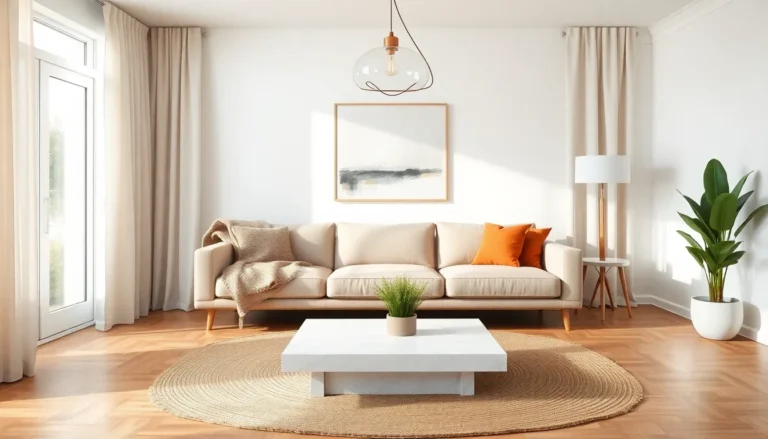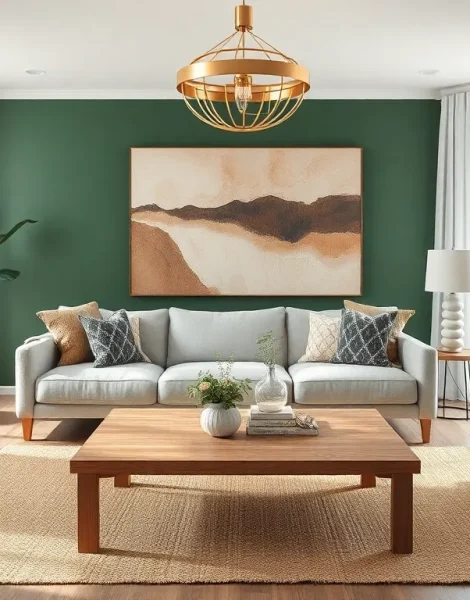
Finding the right top interior design ideas can turn any room from ordinary to extraordinary. Whether someone is renovating a full home or refreshing a single room, the right design choices make all the difference. Great interior design balances beauty with function. It reflects personality while serving everyday needs.
This guide covers six proven interior design ideas that designers and homeowners love in 2025. From natural textures to bold color choices, these approaches work in apartments, houses, and everything in between. Each idea offers practical ways to upgrade living spaces without starting from scratch.
Table of Contents
ToggleKey Takeaways
- Top interior design ideas in 2025 balance aesthetics with functionality, making spaces both beautiful and practical.
- Layering natural elements like wood, stone, plants, and organic textures creates timeless, grounded interiors.
- Bold accent walls, statement furniture, and sculptural lighting add personality without overwhelming a space.
- Maximize light by using mirrors strategically, layering ambient, task, and accent lighting, and keeping windows unobstructed.
- Mixing modern and vintage pieces (using the 80/20 rule) creates depth and prevents rooms from looking like catalog showrooms.
- Multi-purpose and modular furniture helps maximize square footage while maintaining clean, clutter-free aesthetics.
Embrace Natural Elements and Organic Textures
Natural elements bring warmth and calm to any interior space. This top interior design idea continues to dominate trends because it works in nearly every style of home.
Wood remains the most popular natural material for good reason. Exposed wood beams, hardwood floors, and wooden furniture add character that synthetic materials simply can’t match. Light oak creates a Scandinavian feel. Dark walnut suits traditional or moody aesthetics.
Stone is another powerful element. A stone accent wall in a living room or bathroom adds visual weight and texture. Marble countertops, slate tiles, and quartzite surfaces bring earth tones into kitchens and baths.
Organic textures extend beyond wood and stone:
- Rattan and wicker furniture or decor pieces
- Linen and cotton throws and pillows
- Jute and sisal rugs
- Clay and ceramic vases and planters
- Live plants in various sizes
Plants deserve special mention. They purify air, add color, and soften hard architectural lines. A fiddle leaf fig in a corner, trailing pothos on a shelf, or a collection of succulents on a windowsill, each option brings life into a room.
The key is layering these natural materials together. A space with wood floors, a linen sofa, rattan light fixtures, and potted plants feels cohesive and grounded. It’s one of the top interior design ideas because it never looks dated.
Play With Bold Colors and Statement Pieces
Neutral spaces have their place, but bold colors create rooms people remember. This top interior design idea encourages stepping outside the beige comfort zone.
Statement walls offer the easiest entry point. A deep navy, forest green, or terracotta accent wall transforms a room in a single weekend. The rest of the walls can stay neutral, letting the bold color take center stage.
For those hesitant about permanent color, furniture provides flexibility. A jewel-toned velvet sofa, an emerald armchair, or a mustard yellow ottoman adds punch without paint. These pieces become focal points that anchor the entire room.
Art serves a similar function. One large-scale painting or photograph can define a space’s entire mood. Gallery walls mixing different frame styles and sizes create visual interest on otherwise blank expanses.
Statement lighting has exploded in popularity. Sculptural pendants, oversized floor lamps, and artistic chandeliers function as both light sources and art pieces. They draw the eye upward and add personality.
Color blocking, placing solid colors in geometric arrangements, offers a modern approach. Think a half-painted wall, color-blocked curtains, or furniture that mixes two or three strong hues.
The balance matters. One or two bold elements against a calmer backdrop creates drama. Too many competing statements creates chaos.
Maximize Light and Create Open Spaces
Light changes everything in interior design. A well-lit room feels larger, cleaner, and more inviting. This top interior design idea focuses on both natural and artificial light sources.
Natural light should be the priority. Remove heavy drapes and replace them with sheer curtains or blinds that pull fully open. Clean windows regularly, it sounds obvious, but dirty glass blocks surprising amounts of light.
Mirrors amplify natural light brilliantly. A large mirror placed opposite a window effectively doubles the light in that space. Mirrored furniture and metallic accessories scatter light around a room.
For artificial lighting, layers work best:
- Ambient lighting provides overall illumination (ceiling fixtures, recessed lights)
- Task lighting serves specific functions (desk lamps, under-cabinet lights)
- Accent lighting highlights features (picture lights, uplighting)
Dimmer switches give control over mood and intensity. They’re inexpensive to install and make a significant difference.
Open floor plans remain popular because they maximize both light and space. Removing non-structural walls between kitchens and living areas creates flow. Where walls must stay, glass partitions or open shelving maintains visual connection.
Furniture placement affects openness too. Pulling pieces away from walls and creating clear pathways makes rooms feel larger. Floating a sofa in the center of a room rather than pushing it against a wall often improves both function and aesthetics.
Mix Modern and Vintage Styles
The best interiors tell a story. Mixing modern and vintage pieces creates spaces with depth and personality. This top interior design idea prevents rooms from looking like catalog showrooms.
Vintage pieces bring history and craftsmanship. A mid-century sideboard, an antique mirror, or grandmother’s dining chairs carry weight that mass-produced furniture lacks. They become conversation starters.
Modern elements keep spaces feeling current. Clean-lined sofas, contemporary lighting, and current textiles balance older pieces and prevent rooms from feeling like museums.
The 80/20 rule helps beginners. Choose one dominant style (80% of the room) and accent with the other (20%). A modern living room with one antique coffee table. A traditional bedroom with contemporary art.
Materials bridge eras effectively. Brass works in both Art Deco and modern contexts. Wood spans virtually all design periods. Black metal reads industrial or contemporary depending on context.
Shopping vintage has practical benefits too. Quality older furniture often costs less than new designer pieces. Thrift stores, estate sales, and online marketplaces offer unique finds. And reusing furniture is more sustainable than buying new.
Don’t worry about perfect matching. Collected-over-time aesthetics look more authentic than everything-from-one-store approaches. That slight mismatch between pieces often creates the most interesting interiors.
Incorporate Functional and Multi-Purpose Furniture
Smart furniture solves real problems. This top interior design idea acknowledges that most people need their spaces to work harder. Square footage costs money, so every piece should earn its place.
Storage furniture leads this category. Ottomans with hidden compartments, beds with drawers underneath, and coffee tables with shelves keep clutter contained. They maintain clean aesthetics while hiding everyday items.
Convertible pieces suit smaller homes and apartments. Sofa beds for guest sleeping. Dining tables that extend for entertaining. Desks that fold flat when not in use. Murphy beds that disappear into walls.
Nesting tables offer flexibility without bulk. They stack when not needed and spread out when guests arrive. The same principle applies to stacking chairs and folding stools.
Built-in furniture maximizes awkward spaces. Custom window seats with storage below. Bookcases that fill odd corners. Banquettes in kitchen nooks. These solutions use every available inch.
Modular furniture adapts to changing needs. Sectional sofas reconfigure for different room layouts. Modular shelving systems grow or shrink as collections change. This flexibility suits renters and anyone who moves frequently.
Quality matters more than quantity here. One well-made multi-functional piece outperforms several cheap single-purpose items. It lasts longer, looks better, and actually gets used.