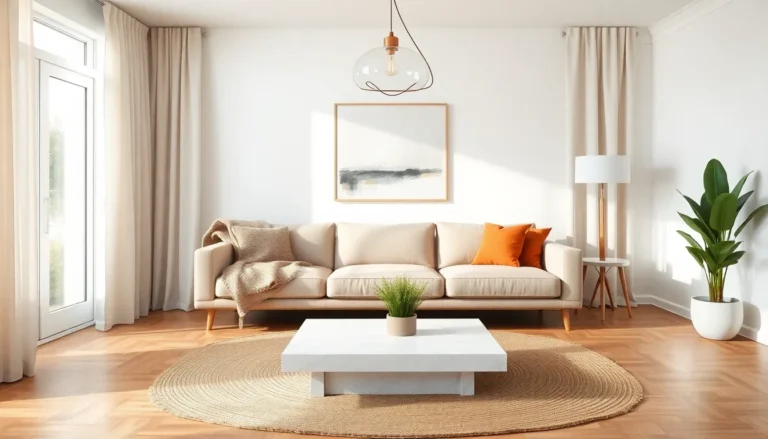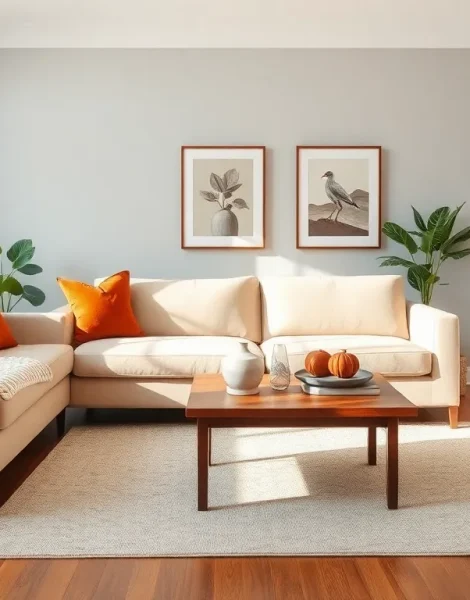
Interior design ideas and strategies can turn any room from forgettable to functional, and genuinely beautiful. Whether someone is moving into a new home or refreshing a space they’ve lived in for years, the right approach makes all the difference. Good design isn’t about spending a fortune or following every trend. It’s about making intentional choices that reflect personal taste while serving everyday life.
This guide breaks down practical interior design ideas and strategies that anyone can apply. From defining a personal style to layering lighting, each section offers clear steps to create spaces that look great and work even better.
Table of Contents
ToggleKey Takeaways
- Effective interior design ideas start with defining your personal style by gathering inspiration and identifying patterns in what you love.
- Plan your room layout with function first—ensure clear traffic flow, establish focal points, and arrange seating for comfortable conversation.
- Apply the 60-30-10 color rule to create visual harmony: dominant color on walls, secondary on upholstery, and accents in décor.
- Layer three types of lighting—ambient, task, and accent—to transform flat spaces into warm, polished rooms.
- Mix soft, hard, and natural textures to add dimension and make spaces feel inviting and lived-in.
- Incorporate plants and curated artwork to complete your interior design strategies without overcrowding surfaces.
Define Your Personal Style
Before buying a single throw pillow, it helps to know what style feels right. Interior design ideas and strategies work best when they align with personal preferences. Otherwise, rooms end up looking like a furniture showroom, nice enough, but impersonal.
Start by gathering inspiration. Pinterest boards, design magazines, and saved Instagram posts reveal patterns. Does someone gravitate toward clean lines and neutral tones? That suggests a modern or minimalist aesthetic. Do they save images of layered textiles, warm woods, and earthy colors? That points toward bohemian or rustic styles.
Here are a few popular design styles to consider:
- Modern: Sleek furniture, minimal ornamentation, neutral color schemes
- Traditional: Classic furniture shapes, rich colors, symmetrical arrangements
- Mid-Century Modern: Organic curves, warm wood tones, retro-inspired pieces
- Bohemian: Eclectic mix, global influences, layered patterns and textures
- Scandinavian: Light woods, white walls, cozy textiles, functional simplicity
No one has to commit to a single style. Many of the best interior design ideas blend elements from different aesthetics. The goal is consistency, not rigidity. A room should feel cohesive, like all the pieces belong together even if they come from different eras or sources.
Plan Your Layout for Function and Flow
A beautiful room that doesn’t function well becomes frustrating fast. That’s why smart interior design strategies always start with layout. How will people move through the space? Where will they sit, work, or gather?
Measure the room before arranging furniture. Knowing exact dimensions prevents costly mistakes, like ordering a sofa that blocks a doorway. Many free online tools let users create floor plans and experiment with different arrangements virtually.
Consider these layout principles:
- Traffic flow: Leave clear pathways between furniture. Aim for at least 30 inches of walking space in main traffic areas.
- Focal points: Every room benefits from a visual anchor. This might be a fireplace, a large window, or a statement piece of furniture. Arrange seating to face or complement this focal point.
- Conversation areas: In living rooms, position seating close enough for comfortable conversation, usually no more than eight feet apart.
- Balance: Distribute visual weight evenly. If one side of a room has a large bookshelf, balance it with substantial furniture or artwork on the opposite side.
Good interior design ideas account for how life actually happens in a space. A family with young kids needs durable fabrics and open floor space. Someone who works from home needs a dedicated area with good lighting. Form follows function, always.
Choose a Cohesive Color Palette
Color sets the mood of any room. It’s one of the most powerful interior design strategies available, and it costs nothing to plan well.
A cohesive palette typically includes three to five colors:
- Dominant color (about 60% of the room): Usually walls and large furniture pieces
- Secondary color (about 30%): Upholstery, curtains, rugs
- Accent color (about 10%): Throw pillows, artwork, decorative objects
This 60-30-10 rule creates visual harmony without monotony. The dominant color grounds the space, the secondary adds depth, and accents provide energy and personality.
When selecting colors, consider the room’s natural light. North-facing rooms receive cooler light, so warm tones like cream or soft yellow can balance that. South-facing rooms get warm, direct light and can handle cooler shades like blue or gray without feeling cold.
Don’t forget about undertones. A gray with blue undertones pairs differently than a gray with green undertones. Always test paint samples on the actual walls and observe them at different times of day before committing.
Interior design ideas that incorporate color thoughtfully create rooms that feel intentional. Random colors thrown together, even if individually appealing, create visual chaos.
Layer Lighting for Ambiance and Utility
Lighting can make or break a room. It’s often overlooked, but experienced designers consider it one of the most important interior design strategies.
Effective lighting has three layers:
- Ambient lighting: General illumination that fills the room. This includes ceiling fixtures, recessed lights, or natural light from windows.
- Task lighting: Focused light for specific activities. Desk lamps, reading lights, and under-cabinet kitchen lights fall into this category.
- Accent lighting: Decorative lighting that highlights architectural features or artwork. Think picture lights, track lighting, or uplights.
A well-designed room incorporates all three types. Relying only on overhead lighting creates flat, unflattering illumination. Adding table lamps and floor lamps introduces warmth and dimension.
Dimmers are a small investment with big impact. They allow adjustment of mood throughout the day, bright for morning energy, soft for evening relaxation.
Consider bulb temperature too. Warm white bulbs (2700K-3000K) create cozy atmospheres suitable for living rooms and bedrooms. Cool white bulbs (3500K-4100K) work better in kitchens and home offices where alertness matters.
These interior design ideas around lighting transform how a space feels. Even modest rooms look more polished with thoughtful light placement.
Incorporate Texture and Visual Interest
Flat rooms feel boring. Adding texture brings dimension and makes spaces feel lived-in and inviting. This is where interior design strategies move from functional to truly beautiful.
Texture comes from materials:
- Soft textures: Velvet, linen, wool, faux fur, these add warmth and comfort
- Hard textures: Wood, metal, glass, stone, these add structure and sophistication
- Natural textures: Rattan, jute, leather, plants, these bring organic warmth
Mixing textures creates contrast. A smooth leather sofa paired with a chunky knit throw and a sleek metal side table generates visual interest. The eye moves around the room, noticing different surfaces and finishes.
Pattern works similarly. Stripes, florals, geometrics, and organic patterns can coexist when they share a color family. Vary the scale, pair a large-scale pattern with a smaller one to avoid competition.
Plants deserve special mention. They introduce natural texture, color, and life. Studies show indoor plants improve mood and air quality. Even low-maintenance options like pothos or snake plants make meaningful contributions to interior design ideas.
Art and accessories complete the picture. Blank walls feel unfinished. But avoid the temptation to fill every surface. Curated restraint, a few meaningful pieces rather than dozens of small items, creates sophistication.