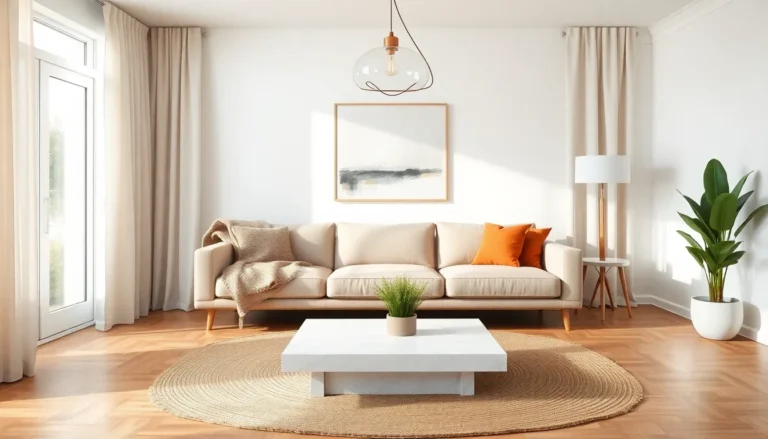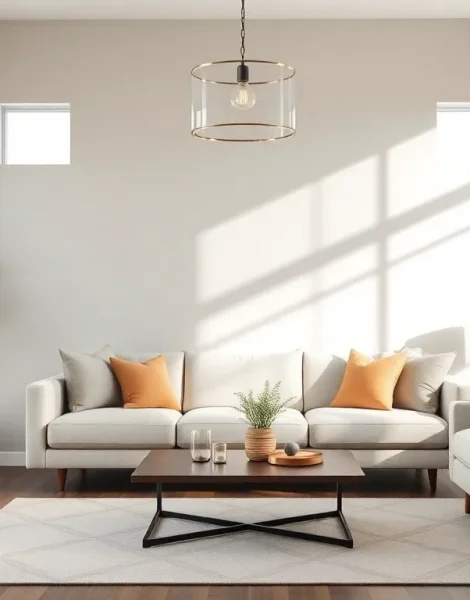
Interior design ideas shape how people live, work, and feel in their homes. These concepts go beyond picking paint colors or arranging furniture. They represent a thoughtful approach to creating spaces that function well and look beautiful.
Whether someone wants to refresh a single room or overhaul an entire home, understanding interior design ideas provides the foundation for success. This guide breaks down the essential styles, elements, and strategies that turn ordinary spaces into extraordinary ones. From budget-friendly tips to finding inspiration, readers will discover practical ways to transform their living environments.
Table of Contents
ToggleKey Takeaways
- Interior design ideas solve practical problems while creating spaces that are both functional and visually appealing.
- The best designs balance three key factors: function, aesthetics, and budget to achieve cohesive results.
- Popular styles like Modern Minimalist, Scandinavian, and Bohemian offer different approaches to match personal preferences.
- Mastering core elements—color, lighting, texture, scale, and balance—forms the foundation of effective interior design ideas.
- Budget-friendly strategies like painting, rearranging furniture, and thrift shopping can transform spaces without overspending.
- Finding inspiration from Pinterest, design magazines, nature, and personal collections helps guide meaningful design decisions.
Understanding Interior Design Ideas
Interior design ideas refer to the creative concepts and visual plans that guide how a space looks and functions. They include everything from color schemes and furniture selection to lighting choices and decorative accents.
At their core, interior design ideas solve problems. A small living room needs storage solutions. A dark bedroom requires better lighting. A busy family kitchen demands durable materials. Good design addresses these challenges while maintaining visual appeal.
These ideas also reflect personal style. Some people prefer clean lines and minimal decoration. Others want bold patterns and eclectic collections. Interior design ideas help translate individual preferences into cohesive room plans.
The best interior design ideas balance three factors:
- Function: Does the space work for daily activities?
- Aesthetics: Does it look pleasing and intentional?
- Budget: Can the design be achieved within financial limits?
Professional designers spend years learning how to balance these factors. But, anyone can apply basic interior design ideas to improve their home. The key lies in understanding fundamental principles and applying them consistently.
Popular Interior Design Styles to Consider
Choosing a design style gives direction to interior design ideas. Here are the most popular styles shaping homes today.
Modern Minimalist
This style features clean lines, neutral colors, and uncluttered spaces. Furniture has simple shapes without ornate details. The focus stays on quality over quantity. Modern minimalist interior design ideas work especially well in smaller homes where space is limited.
Scandinavian
Scandinavian design combines functionality with warmth. Light wood tones, white walls, and cozy textiles define this style. Interior design ideas in this category often include natural materials like wool, cotton, and leather. The goal is creating inviting spaces that feel both practical and comfortable.
Mid-Century Modern
Popular from the 1940s through 1960s, this style has made a strong comeback. It features organic curves, bold graphic patterns, and a mix of traditional and non-traditional materials. Mid-century modern interior design ideas bring retro charm to contemporary homes.
Industrial
Exposed brick, metal fixtures, and raw wood characterize industrial design. This style celebrates the bones of a building rather than hiding them. Industrial interior design ideas suit loft apartments and converted warehouse spaces particularly well.
Bohemian
Bohemian style embraces color, pattern, and global influences. Layered textiles, collected objects, and plants fill these spaces. This approach to interior design ideas allows for maximum personal expression and creativity.
Traditional
Classic furniture, rich colors, and symmetrical arrangements define traditional design. This style draws from European influences and creates formal, elegant spaces. Traditional interior design ideas appeal to those who appreciate timeless aesthetics.
Key Elements of Effective Interior Design
Strong interior design ideas depend on mastering several core elements. Understanding these building blocks helps create cohesive, attractive spaces.
Color
Color sets the mood for any room. Cool blues and greens create calm environments. Warm reds and oranges energize spaces. Interior design ideas often start with selecting a color palette that reflects the desired atmosphere.
The 60-30-10 rule provides helpful guidance. Use a dominant color for 60% of the room, a secondary color for 30%, and an accent color for 10%.
Lighting
Lighting affects how colors appear and how spaces feel. Effective interior design ideas incorporate three types of lighting:
- Ambient lighting: General illumination from overhead fixtures
- Task lighting: Focused light for specific activities like reading
- Accent lighting: Decorative fixtures that highlight features
Texture
Texture adds visual interest and tactile appeal. Smooth surfaces, rough fabrics, glossy finishes, and matte materials create variety. Interior design ideas that mix textures prevent spaces from feeling flat or boring.
Scale and Proportion
Furniture and decor should fit the size of a room. A massive sectional overwhelms a small living room. Tiny artwork gets lost on a large wall. Good interior design ideas consider how pieces relate to each other and to the overall space.
Balance
Balance creates visual stability. Symmetrical arrangements feel formal and orderly. Asymmetrical layouts appear more casual and dynamic. Interior design ideas should establish the type of balance that matches the desired mood.
How to Find Inspiration for Your Space
Finding the right interior design ideas requires research and exploration. Several resources can spark creativity and guide decision-making.
Pinterest and Instagram offer endless visual inspiration. Users can create boards that collect interior design ideas matching their taste. Following designers and home accounts exposes viewers to current trends and timeless classics.
Design magazines like Architectural Digest, Elle Decor, and House Beautiful showcase professional projects. These publications often explain the thinking behind design choices, helping readers understand why certain interior design ideas work.
Showrooms and model homes let people experience design in person. Walking through furnished spaces reveals how interior design ideas translate from images to reality. Visitors can see scale, touch materials, and observe color in natural light.
Nature and travel provide unexpected inspiration. A sunset’s color palette might inspire a bedroom scheme. Architecture from a vacation could influence a living room layout. The best interior design ideas often come from outside the design world.
Personal collections offer another starting point. A favorite piece of art, a cherished rug, or an inherited antique can anchor a room’s design. Building interior design ideas around meaningful objects creates spaces with personality and history.
Budget-Friendly Interior Design Tips
Great interior design ideas don’t require unlimited budgets. Smart strategies can transform spaces without very costly.
Paint makes the biggest impact for the lowest cost. A fresh coat of paint instantly updates a room. Bold accent walls or subtle neutral tones change the entire feel of a space. This remains one of the most accessible interior design ideas for any budget.
Rearranging existing furniture costs nothing. Sometimes interior design ideas simply involve seeing current pieces in new ways. Moving a sofa to a different wall or swapping furniture between rooms can create a fresh look.
Thrift stores and estate sales offer quality pieces at low prices. Vintage furniture often features better construction than new mass-produced items. These finds add character and support sustainable interior design ideas.
DIY projects stretch decorating dollars. Painting old furniture, reupholstering chairs, or creating custom art puts personal stamps on spaces. These interior design ideas require time rather than money.
Focus spending on high-impact areas. A statement light fixture, a quality area rug, or beautiful curtains can elevate an entire room. Strategic splurges make budget-friendly interior design ideas look expensive.
Layer in updates over time. Rooms don’t need to be completed in one shopping trip. Collecting pieces gradually allows for thoughtful choices and spreads costs across months or years.