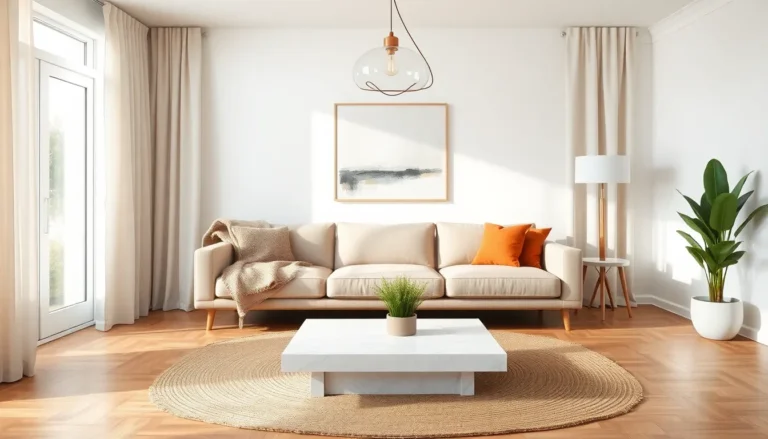
Fresh interior design ideas can breathe new life into any home. Whether someone wants to overhaul an entire room or simply refresh a tired corner, the right approach makes all the difference. A well-designed space doesn’t just look good, it feels good too.
This guide covers practical interior design ideas that work for various styles and budgets. From minimalist approaches to bold color choices, these strategies help homeowners create spaces they’ll actually enjoy living in. The best part? Most of these ideas don’t require a complete renovation or a designer’s budget to achieve.
Table of Contents
ToggleKey Takeaways
- Minimalism remains a top interior design idea, focusing on quality over quantity and clutter-free spaces that feel calm and purposeful.
- Natural materials like wood, stone, and linen add warmth and character while connecting indoor spaces to the natural world.
- Color choices should match a room’s purpose—cool blues for bedrooms, warm tones for living rooms, and neutrals for home offices.
- Multi-functional furniture, mirrors, and vertical storage maximize small spaces without sacrificing style or functionality.
- Statement lighting serves as both a functional element and a decorative focal point that can transform any room.
- Layering different light sources—ambient, task, and accent—creates flexible spaces that adapt to various activities throughout the day.
Embrace Minimalism for a Clean Aesthetic
Minimalism remains one of the most popular interior design ideas for good reason. It creates calm, clutter-free environments where every piece serves a purpose. The approach focuses on quality over quantity, letting a few well-chosen items shine rather than filling rooms with excess furniture.
To achieve a minimalist look, homeowners should start by decluttering ruthlessly. Remove anything that doesn’t serve a function or bring genuine joy. Next, choose furniture with clean lines and simple silhouettes. A streamlined sofa, a basic coffee table, and minimal shelving can anchor a room without overwhelming it.
Color palettes in minimalist spaces typically feature whites, grays, and neutral tones. These shades create visual breathing room and make spaces feel larger. But, minimalism doesn’t mean boring, a single accent color or a striking piece of art can prevent the room from feeling sterile.
Storage solutions become essential in minimalist interiors. Built-in cabinets, hidden compartments, and multi-functional furniture help maintain that clean look while keeping necessary items accessible. The goal isn’t to live without possessions but to display them thoughtfully.
Add Warmth With Natural Materials and Textures
Natural materials bring warmth and character to interior spaces. Wood, stone, linen, and leather create environments that feel inviting rather than cold or artificial. These elements connect indoor spaces to the natural world and age beautifully over time.
Wood works in countless interior design ideas. Hardwood floors, exposed ceiling beams, or simple wooden furniture pieces add instant warmth. Light woods like oak and maple suit modern aesthetics, while darker walnut or mahogany create traditional elegance. Even small touches, wooden frames, cutting boards displayed in kitchens, or floating shelves, make an impact.
Textile choices matter too. Linen curtains soften harsh light while adding visual interest. Wool throws draped over sofas invite people to sit and stay awhile. Jute or sisal rugs ground seating areas with natural texture underfoot.
Stone elements bring earthy sophistication to any room. A marble coffee table, slate coasters, or a statement stone accent wall creates visual weight without feeling heavy. Mixing different natural materials, say, a leather chair beside a wooden side table on a woven rug, builds layered spaces that feel collected over time rather than purchased in one shopping trip.
Create Visual Interest Through Color and Patterns
Color transforms rooms faster than almost any other interior design element. A fresh paint color can completely change how a space feels. Bold choices make statements, while softer hues create calm retreats.
When selecting colors, homeowners should consider the room’s purpose. Bedrooms often benefit from cool blues and soft greens that promote relaxation. Living rooms can handle warmer tones like terracotta or mustard that encourage conversation. Home offices might work best with energizing colors or neutrals that minimize distraction.
Patterns add depth and personality to interiors. Geometric prints feel contemporary and structured. Florals range from traditional to modern depending on scale and color. Stripes elongate spaces visually. The key lies in mixing patterns intentionally, pair a large-scale pattern with a smaller one, keeping colors consistent across both.
Accent walls offer a low-commitment way to experiment with color and pattern. A single painted wall, wallpapered section, or tile installation creates a focal point without overwhelming the entire room. This approach lets homeowners test bold interior design ideas without committing to a complete room transformation.
Maximize Small Spaces With Smart Design Solutions
Small spaces demand creative interior design ideas. With the right strategies, even compact rooms can feel spacious and functional. The secret lies in smart furniture choices, strategic placement, and optical tricks.
Multi-functional furniture solves many small-space problems. Ottoman storage boxes serve as seating, footrests, and hidden storage. Murphy beds fold away to reveal home offices. Nesting tables provide surface area when needed and tuck away when they don’t. Every piece should earn its place in a small room.
Mirrors rank among the best interior design ideas for expanding small spaces visually. A large mirror opposite a window reflects natural light and creates the illusion of depth. Mirrored closet doors, decorative wall mirrors, or even mirrored furniture pieces multiply the perceived square footage.
Vertical space often goes unused in small rooms. Tall bookshelves draw the eye upward and provide ample storage without claiming floor space. Floating shelves keep surfaces clear while displaying items attractively. High-mounted curtain rods make ceilings appear taller.
Light colors on walls and floors help small rooms feel airier. Furniture in similar tones to the walls creates visual continuity rather than breaking up the space with contrasting pieces.
Incorporate Statement Lighting as a Focal Point
Lighting serves both functional and decorative purposes in interior design. The right fixture can anchor a room, set a mood, and become a conversation piece. Statement lighting ranks among the most impactful interior design ideas for any budget.
Chandeliers aren’t just for dining rooms anymore. A sculptural chandelier in an entryway makes a memorable first impression. Oversized pendants above kitchen islands provide task lighting with style. Even bedrooms benefit from dramatic ceiling fixtures that replace boring flush mounts.
Layered lighting creates depth and flexibility. Combine ambient lighting (overhead fixtures), task lighting (desk lamps, reading lights), and accent lighting (wall sconces, picture lights) for spaces that adapt to different activities and times of day. Dimmer switches add another layer of control.
Scale matters with statement lighting. A fixture that looks perfect in a showroom might overwhelm a small room or disappear in a large one. General guidelines suggest pendants should be about one-third the width of the table they hang over. Chandeliers in entryways should allow at least seven feet of clearance below.
Don’t overlook natural light in lighting plans. Sheer curtains diffuse harsh sunlight while maintaining brightness. Strategically placed mirrors bounce daylight deeper into rooms. These interior design ideas maximize free illumination before artificial sources kick in.