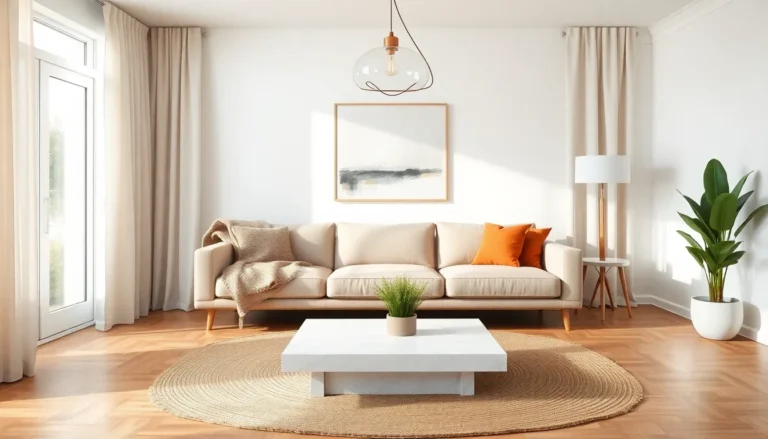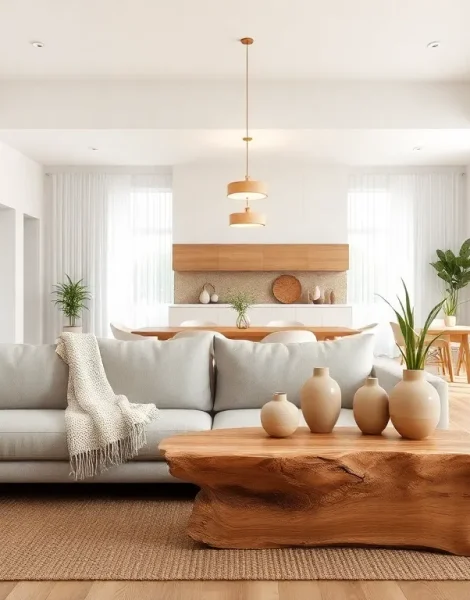
Finding the best interior design ideas can completely change how a home looks and feels. A well-designed space reflects personality while serving practical needs. Whether someone wants a calming retreat or a vibrant gathering spot, the right design choices make all the difference. This guide covers proven interior design ideas that work for any budget or style preference. From minimalist approaches to bold color statements, these strategies help homeowners create spaces they’ll love for years to come.
Table of Contents
ToggleKey Takeaways
- The best interior design ideas balance aesthetics with functionality—choose multi-purpose furniture and declutter to create calm, inviting spaces.
- Incorporate natural elements like wood, stone, and indoor plants to add warmth and organic texture that synthetic materials can’t replicate.
- Strategic use of color through accent walls or statement furniture transforms rooms quickly and affordably without overwhelming the space.
- Layer three types of lighting—ambient, task, and accent—and maximize natural light to make rooms feel welcoming at any hour.
- Mix vintage finds with modern pieces using the 80/20 rule to create interesting, personalized interiors that tell a story.
- Define zones in open floor plans with area rugs, furniture arrangement, and pendant lighting to organize space without walls.
Embrace Minimalist and Functional Spaces
Minimalism remains one of the best interior design ideas for good reason. It creates calm, clutter-free rooms that feel larger and more inviting. The core principle is simple: keep only what serves a purpose or brings joy.
Start by decluttering each room. Remove items that haven’t been used in the past year. This alone can transform a cramped space into something breathable. Next, invest in furniture that does double duty. A storage ottoman, a bed with built-in drawers, or a coffee table with shelving underneath, these pieces earn their floor space.
Color palettes in minimalist design typically stick to neutrals. Think whites, grays, beiges, and soft tans. This doesn’t mean boring. Texture adds interest without visual noise. A chunky knit throw on a sleek sofa or a woven basket for magazines creates depth.
The Japanese concept of “ma” (negative space) applies here too. Not every wall needs art. Not every corner needs a plant stand. Empty space lets the eye rest and makes intentional design choices stand out more.
Incorporate Natural Elements and Textures
Bringing nature indoors ranks among the best interior design ideas for creating warm, livable spaces. Natural materials connect people to the outdoors and add organic beauty that synthetic materials can’t replicate.
Wood is the obvious starting point. Hardwood floors, exposed ceiling beams, or even a single live-edge shelf can anchor a room. Different wood tones work together surprisingly well, don’t feel locked into matching everything perfectly.
Stone and clay add earthy character. A stone fireplace surround, terracotta planters, or ceramic vases introduce texture that feels grounded and timeless. These materials age beautifully, developing character over time.
Plants deserve their own mention. Indoor greenery improves air quality and mood. Low-maintenance options like pothos, snake plants, and ZZ plants thrive even with occasional neglect. Group plants in odd numbers for a more natural arrangement.
Natural textiles complete the look. Linen curtains, cotton throws, jute rugs, and wool blankets feel good to the touch. They also photograph well, which matters in our social media age. Layer different textures for a collected, lived-in aesthetic.
Play With Color and Statement Pieces
Color transforms rooms faster than almost any other interior design idea. A fresh paint color costs relatively little but delivers huge impact. The best interior design ideas often involve strategic color use rather than playing it safe with all-white everything.
Accent walls work well when done right. Choose the wall that naturally draws attention, usually the one behind a bed, sofa, or dining table. Deep blues, forest greens, and warm terracottas are trending, but personal preference should guide the choice.
Statement furniture makes rooms memorable. One bold piece, a velvet sofa in jewel tones, an oversized abstract painting, or a sculptural light fixture, gives a room personality. The trick is restraint. One statement per room prevents visual chaos.
Patterns add energy when used thoughtfully. Mix scales rather than matching exactly. A large floral with a small geometric, for instance, creates interest without clashing. Keep the color palette consistent across patterns to unify the look.
Don’t forget the fifth wall, the ceiling. Painting it a subtle color or adding wallpaper there surprises and delights. It’s an underused interior design idea that designers love.
Maximize Light and Open Floor Plans
Light shapes how people experience interior spaces. The best interior design ideas prioritize both natural and artificial lighting to create rooms that feel welcoming at any hour.
Natural light should be maximized wherever possible. Swap heavy drapes for sheer panels or simple blinds. Clean windows regularly, dirty glass blocks more light than most people realize. Mirrors placed opposite windows bounce light deeper into rooms.
Layered lighting handles what the sun can’t. Every room needs three types: ambient (overhead fixtures), task (desk lamps, reading lights), and accent (picture lights, uplights). Dimmer switches add flexibility for different moods and times of day.
Open floor plans continue to dominate modern home design. They improve traffic flow and make gatherings easier. For homes with existing walls, removing non-structural partitions or widening doorways can open things up. Even a large pass-through between kitchen and dining room helps.
Define zones within open spaces using area rugs, furniture arrangement, and lighting. A living area rug anchors the conversation grouping. Pendant lights mark the dining zone. These visual cues organize space without walls.
Blend Vintage and Modern Styles
Mixing eras creates the most interesting interiors. This interior design idea prevents homes from looking like catalog showrooms. Lived-in spaces tell stories, and vintage pieces provide that narrative.
Start with a modern foundation. Clean-lined sofas, simple shelving, and contemporary lighting serve as the backdrop. Then layer in vintage finds, a mid-century dresser, grandmother’s china cabinet, or flea market art. The contrast makes both old and new pieces shine brighter.
Quality matters more than period accuracy. A well-made antique chair belongs anywhere, regardless of style. Look for solid construction, interesting shapes, and materials that have aged well. Avoid pieces that are simply old but poorly made.
Repurposing gives vintage items new life. An old door becomes a headboard. Industrial factory carts work as coffee tables. Vintage luggage stacks into nightstands. These interior design ideas add character while being budget-friendly.
The 80/20 rule helps maintain balance. About 80% of a room should follow a cohesive style, with 20% providing contrast and surprise. This ratio creates interest without confusion.