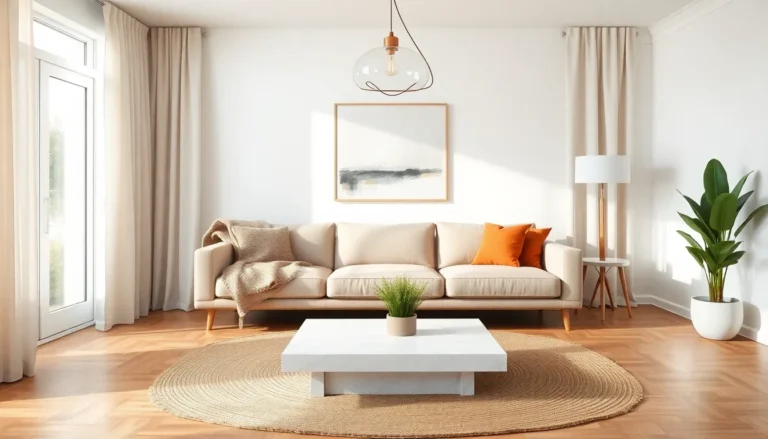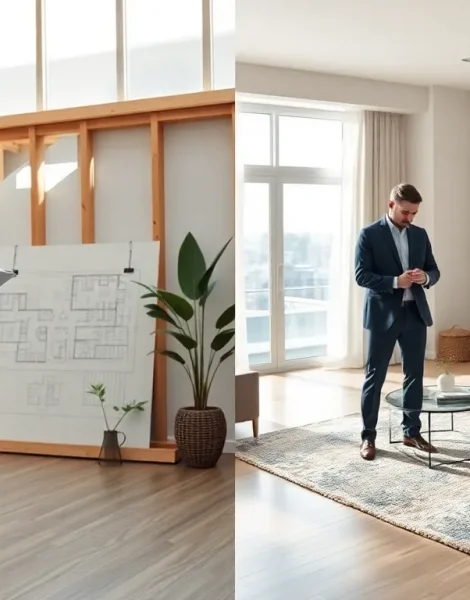
Interior design ideas vs. interior decorating, these terms get tossed around like they mean the same thing. They don’t. One shapes the bones of a space. The other dresses it up. Understanding this distinction matters whether someone is renovating a home, launching a commercial project, or simply trying to figure out who to call for help.
This article breaks down interior design and interior decorating in plain terms. Readers will learn what each discipline involves, how they differ, and when to hire one professional over the other. By the end, the confusion ends, and smarter decisions begin.
Table of Contents
ToggleKey Takeaways
- Interior design ideas focus on how spaces function, involving structural changes, space planning, and building code compliance.
- Interior decorating enhances visual appeal through furniture, color, and accessories without altering the structure of a space.
- Interior designers require formal education and often licensure, while decorators typically develop skills through experience.
- Hire an interior designer for renovations, new construction, or projects requiring permits and contractor coordination.
- Choose a decorator when you need a visual refresh, furniture styling, or home staging without structural changes.
- Many projects benefit from both professionals—designers create functional layouts while decorators add the finishing touches.
What Is Interior Design?
Interior design is a professional discipline that addresses how spaces function and feel. Interior designers don’t just pick paint colors. They analyze floor plans, modify structural elements, and create environments that serve specific purposes.
A qualified interior designer typically holds a degree in the field. Many states require licensure or certification. This formal training covers building codes, safety regulations, accessibility standards, and space planning. Interior design ideas often start with questions like: How will people move through this room? What activities happen here? Does this layout support those needs?
The Scope of Interior Design Work
Interior designers handle projects that go beyond surface changes. Their work may include:
- Reconfiguring room layouts
- Selecting materials for flooring, walls, and ceilings
- Coordinating with architects and contractors
- Designing custom built-ins or furniture
- Ensuring compliance with fire codes and ADA requirements
For example, an interior designer working on a restaurant considers traffic flow for servers, acoustics for diners, and lighting that flatters food presentation. These interior design ideas solve real problems, not just aesthetic ones.
Technical Skills and Tools
Interior designers use CAD software to draft plans. They read blueprints. They understand load-bearing walls and HVAC systems. This technical knowledge separates interior design from decorating. When a project requires permits or construction, an interior designer is the right call.
What Is Interior Decorating?
Interior decorating focuses on the visual appeal of a space. Decorators select furniture, artwork, textiles, and accessories to create a cohesive look. They work within existing structures, they don’t knock down walls or redesign floor plans.
No formal license is required to become an interior decorator. Many successful decorators develop their skills through experience, workshops, or design courses. Their expertise lies in color theory, pattern mixing, and understanding trends.
What Decorators Actually Do
A decorator’s job centers on style and aesthetics. Typical tasks include:
- Choosing paint colors and wallpaper
- Selecting and arranging furniture
- Picking window treatments and rugs
- Sourcing artwork and decorative objects
- Creating mood boards for client approval
Someone moving into a new apartment might hire a decorator to furnish the space. The decorator won’t change the layout, but they’ll make it look polished and personal. Good decorators have sharp eyes for proportion, scale, and visual balance.
The Art of Finishing Touches
Decorating is about the details. It’s knowing that a room needs a taller lamp to balance a heavy sofa. It’s understanding why certain fabrics work in high-traffic areas while others don’t. Decorators turn empty rooms into spaces that feel complete and inviting.
Core Differences Between Interior Design and Interior Decorating
The interior design ideas vs. decorating debate comes down to scope, training, and function. Here’s a clear breakdown:
| Aspect | Interior Design | Interior Decorating |
|---|---|---|
| Education | Degree required | No formal degree needed |
| Licensing | Often required | Not required |
| Scope | Structural changes, space planning | Surface-level aesthetics |
| Skills | Technical and creative | Primarily creative |
| Focus | How spaces function | How spaces look |
Function vs. Form
Interior designers ask: Does this space work? Interior decorators ask: Does this space look good? Both questions matter, but they address different problems.
A designer might remove a wall to open up a cramped kitchen. A decorator might add a statement light fixture above the island. One changes structure. The other enhances appearance.
Project Complexity
Interior design ideas typically involve bigger budgets and longer timelines. Designers coordinate multiple contractors and manage permits. Decorating projects often move faster because they don’t require construction.
Consider a bathroom renovation. An interior designer would handle the tile layout, plumbing fixture placement, and ventilation requirements. A decorator would choose the towels, mirrors, and accessories after construction finishes.
Collaboration Between Both
Some projects benefit from both professionals. A designer creates the functional layout. A decorator adds the finishing touches. This collaboration produces spaces that work well and look great. Neither role is superior, they serve different purposes.
When to Hire an Interior Designer vs. a Decorator
Choosing between interior design ideas from a designer or styling help from a decorator depends on the project scope.
Hire an Interior Designer When:
- The project involves structural changes like removing walls or adding rooms
- Building codes and permits are required
- A commercial space needs ADA compliance
- Custom cabinetry or built-ins are part of the plan
- The project requires coordination with architects or contractors
New construction and major renovations call for interior designers. They manage the technical details that affect safety and functionality.
Hire a Decorator When:
- The space is structurally sound but needs a visual refresh
- Furniture selection and arrangement are the main goals
- The budget doesn’t support major renovations
- A specific style or aesthetic needs professional guidance
- Staging a home for sale
Decorators excel at making existing spaces more attractive without construction. They’re ideal for clients who want style expertise without structural work.
Budget Considerations
Interior designers typically charge higher fees because their work requires more education and liability. Decorating services often cost less, though high-end decorators can command premium rates. The right choice depends on what the space actually needs, not just what it costs.