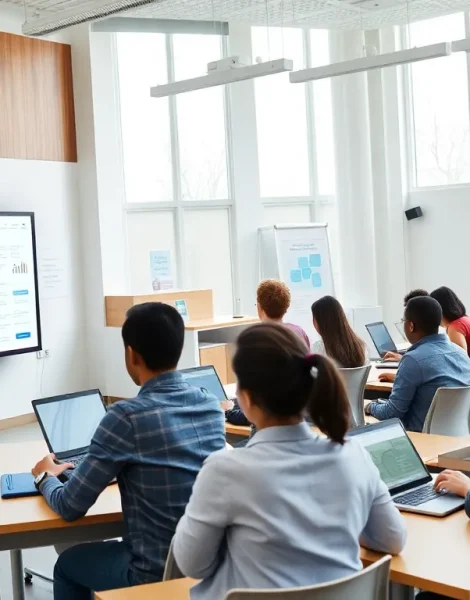
Education today techniques have changed how students learn and how teachers teach. Traditional lecture-based classrooms are giving way to interactive, technology-enhanced environments. These modern approaches focus on engagement, personalization, and collaboration.
The shift is significant. Students no longer sit passively while instructors talk. Instead, they participate, create, and problem-solve. Teachers act as guides rather than sole knowledge sources. This transformation reflects what research tells us about effective learning, people retain more when they’re actively involved.
This article explores the key education today techniques shaping classrooms in 2025. From AI-powered platforms to peer collaboration models, these methods are helping learners of all ages achieve better outcomes.
Table of Contents
ToggleKey Takeaways
- Education today techniques prioritize active engagement, personalization, and collaboration over passive lecture-based instruction.
- Technology-driven tools like AI tutoring systems, VR/AR experiences, and learning management systems are transforming how students access and interact with content.
- Active learning methods such as problem-based and project-based learning help students retain more by applying knowledge to real-world challenges.
- Adaptive learning platforms personalize instruction by adjusting content to each student’s pace and mastery level.
- Collaborative techniques like peer teaching and global projects prepare students for teamwork-focused modern workplaces.
- Data-informed instruction allows teachers to identify learning gaps and provide targeted support rather than one-size-fits-all teaching.
Technology-Driven Learning Methods
Technology has become central to education today techniques. Digital tools extend learning beyond classroom walls and create new possibilities for instruction.
Learning Management Systems
Platforms like Canvas, Google Classroom, and Moodle organize course content in one place. Students access assignments, grades, and resources anytime. Teachers track progress and communicate efficiently. These systems have become standard in K-12 and higher education settings.
Video-Based Instruction
Video learning has exploded in popularity. The flipped classroom model asks students to watch lectures at home and use class time for practice and discussion. YouTube, Khan Academy, and institutional platforms provide quality educational content on nearly every subject. Students can pause, rewind, and rewatch until concepts click.
Virtual and Augmented Reality
VR and AR bring abstract concepts to life. Medical students can explore human anatomy in 3D. History classes can “visit” ancient civilizations. Science students can conduct virtual experiments too dangerous or expensive for physical labs. While still emerging, these technologies show promise for boosting engagement and retention.
Artificial Intelligence Applications
AI tutoring systems provide instant feedback and adapt to student performance. Chatbots answer questions around the clock. Automated grading frees teachers to focus on instruction. These education today techniques are making personalized support more accessible, though they work best when combined with human guidance.
Active Learning and Student-Centered Approaches
Active learning shifts the focus from instructor to learner. Research consistently shows that students learn more when they do something with information rather than just receive it.
Problem-Based Learning
In this approach, students tackle real-world problems without pre-taught solutions. They identify what they need to learn, research answers, and develop solutions. Medical and engineering schools pioneered this method, but it now appears across disciplines. The process builds critical thinking and self-directed learning skills.
Project-Based Learning
Students complete extended projects that require planning, research, and creation. A middle school class might design a community garden. High schoolers might build an app to solve a local problem. These projects connect academic content to practical applications.
Inquiry-Based Instruction
Teachers pose questions rather than provide answers. Students investigate, experiment, and discover concepts themselves. This approach mirrors how scientists and researchers actually work. It develops curiosity and independent thinking.
Think-Pair-Share and Discussion Techniques
Simple but effective, these education today techniques get students talking. An instructor poses a question. Students think individually, discuss with a partner, then share with the class. This structure ensures everyone participates, not just the confident few who volunteer.
Active learning requires more effort from students. But that effort is precisely what makes learning stick.
Personalized and Adaptive Learning Strategies
Not all students learn the same way or at the same pace. Personalized learning addresses this reality by adjusting instruction to individual needs.
Adaptive Learning Platforms
Software like DreamBox, ALEKS, and IXL assess student knowledge and serve appropriate content. If a student struggles with fractions, the system provides more practice. If another student masters the concept quickly, they move ahead. This represents one of the most practical education today techniques for handling diverse classrooms.
Competency-Based Education
Students advance when they demonstrate mastery, not when a set time period ends. Some learners might finish a course in weeks. Others might take longer. What matters is genuine understanding, not seat time. Several universities and K-12 programs have adopted this model.
Learning Pathways and Choice
Giving students options increases motivation. They might choose which book to read, which project to pursue, or which format to use for demonstrating knowledge. Choice creates ownership. Students care more about work they selected themselves.
Data-Informed Instruction
Teachers use assessment data to identify gaps and adjust teaching. Dashboard tools show which students need help and with what. This allows targeted interventions rather than one-size-fits-all reteaching. Education today techniques increasingly rely on this kind of evidence-based decision making.
Collaborative and Social Learning Techniques
Learning is social. People learn from each other, and collaboration skills matter in modern workplaces. Several education today techniques leverage these facts.
Cooperative Learning Structures
Students work in small groups with assigned roles and shared goals. Unlike casual group work, cooperative learning involves structured tasks where each member contributes. Research shows this approach improves achievement and social skills simultaneously.
Peer Teaching and Tutoring
Explaining concepts to others deepens understanding. Cross-age tutoring pairs older students with younger ones. Peer study groups help classmates prepare for exams. Both tutor and tutee benefit from these arrangements.
Online Discussion and Forums
Asynchronous discussions let students contribute thoughtfully without time pressure. Introverted students often participate more in written formats than verbal ones. Discussion boards, Slack channels, and social media groups extend conversation beyond class meetings.
Global Collaboration Projects
Technology enables students to work with peers worldwide. A class in Texas might partner with students in Japan on an environmental project. These experiences build cultural awareness and digital communication skills, both valuable in a connected world.
Collaborative education today techniques prepare students for how they’ll actually work after graduation. Few jobs involve working alone on isolated tasks.