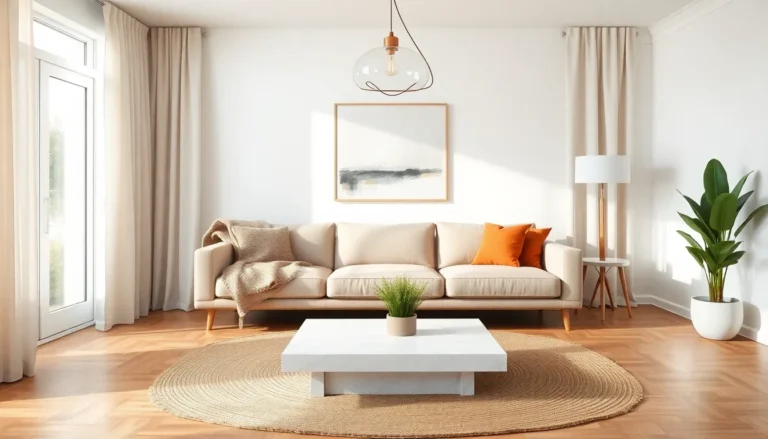
Interior design ideas for 2026 reflect a shift toward comfort, sustainability, and smart functionality. Homeowners want spaces that feel warm yet uncluttered. They want materials that respect the planet. And they want technology that blends into their daily lives without dominating the room.
This year’s trends balance opposites. Think bold colors paired with soft textures. Picture sleek tech hidden behind organic wood finishes. The result? Homes that look stunning and actually work for real life.
Whether planning a full renovation or a simple refresh, these interior design ideas offer practical inspiration. The following sections break down the biggest trends shaping homes in 2026, from warm minimalism to multifunctional spaces and beyond.
Table of Contents
ToggleKey Takeaways
- Interior design ideas for 2026 prioritize warm minimalism, blending clean lines with cozy textures, organic shapes, and soft neutral tones.
- Bold colors like forest green, burnt orange, and navy blue make a strong comeback when balanced with textured surfaces and neutral backdrops.
- Sustainable materials—reclaimed wood, cork, bamboo, and recycled textiles—are essential to eco-conscious interior design in 2026.
- Multifunctional spaces with modular furniture, fold-down desks, and vertical storage support flexible modern lifestyles.
- Smart home technology integrates seamlessly into 2026 interiors, staying hidden behind furniture, walls, and intuitive controls.
- The best interior design ideas balance style and practicality, creating homes that look stunning and adapt to real life.
Warm Minimalism Takes Center Stage
Warm minimalism dominates interior design ideas in 2026. This approach keeps the clean lines of traditional minimalism but adds warmth through color, texture, and organic shapes.
Cold, stark white rooms are out. Instead, designers favor creamy off-whites, soft beiges, and muted terracotta tones. These colors create calm without feeling sterile. Furniture follows suit, rounded edges replace sharp corners, and plush upholstery replaces hard surfaces.
The key to warm minimalism lies in restraint with intention. Every piece in the room serves a purpose, but that purpose can include emotional comfort. A single sculptural lamp. A handwoven throw draped over a linen sofa. A wooden side table with visible grain.
This trend works especially well in living rooms and bedrooms. It encourages people to buy fewer items of higher quality. The philosophy? Less clutter, more character.
Lighting plays a crucial role here. Warm LED bulbs (2700K–3000K) replace harsh overhead fixtures. Floor lamps and table lamps create pools of soft light that make spaces feel inviting after dark.
Bold Colors and Textured Surfaces
While warm minimalism favors neutrals, bold colors make a strong comeback in 2026 interior design ideas. Homeowners aren’t afraid to commit to saturated hues, deep forest greens, burnt oranges, rich navy blues, and even unexpected purples.
The trick is balance. A bold accent wall works when the rest of the room stays neutral. A vibrant sofa stands out against soft gray walls. Color blocking, using two or three contrasting colors in geometric arrangements, appears in kitchens and bathrooms.
Textured surfaces amplify these color choices. Bouclé fabric on chairs adds visual interest and tactile appeal. Fluted wood panels on cabinet fronts create shadow and depth. Venetian plaster walls offer subtle movement that flat paint cannot match.
These interior design ideas encourage layering. A room might combine a velvet armchair, a jute rug, ceramic vases, and brass accents. Each material reflects light differently, making the space feel dynamic rather than flat.
For those hesitant about permanent changes, textiles offer an easy entry point. Swap cushion covers, curtains, or bedding to test bold colors before committing to paint or furniture.
Sustainable and Natural Materials
Sustainability shapes interior design ideas in 2026 more than ever. Homeowners increasingly ask: Where did this material come from? How long will it last? Can it be recycled or repurposed?
Natural materials answer these questions well. Reclaimed wood adds history and character to floors and furniture. Cork provides a renewable option for flooring and wall tiles. Bamboo offers durability and rapid regrowth. Stone and terrazzo make comebacks in kitchens and bathrooms.
Beyond raw materials, production methods matter. Designers seek out local artisans and small manufacturers. Shorter supply chains reduce carbon footprints. Handcrafted pieces support traditional skills.
Upcycling gains popularity too. Vintage furniture gets new life with fresh upholstery. Old architectural elements, doors, windows, mantels, find new homes in modern renovations. This approach saves money while reducing waste.
Plant-based and recycled textiles expand options for upholstery and rugs. Linen, hemp, and organic cotton replace synthetic fabrics. Recycled plastic becomes outdoor furniture that withstands weather without degrading.
These interior design ideas prove that eco-friendly choices don’t require sacrificing style. In fact, natural materials often look better and age more gracefully than their synthetic alternatives.
Multifunctional Spaces for Modern Living
The way people use their homes has changed. Remote work, online learning, and hybrid lifestyles demand flexible spaces. Interior design ideas for 2026 respond with multifunctional solutions.
The home office no longer needs a dedicated room. A well-designed nook in the living room or bedroom works just as well. Fold-down desks disappear when not in use. Storage ottomans hold files and supplies. Room dividers create visual separation without permanent walls.
Kitchens double as social hubs. Large islands serve as cooking stations, dining tables, and assignments spots. Integrated seating encourages conversation while meals come together.
Living rooms adapt throughout the day. Modular sofas reconfigure for movie nights or guest accommodations. Coffee tables with hidden storage keep surfaces clear. Nesting side tables expand when needed and tuck away when they don’t.
Small-space interior design ideas focus on vertical storage. Floor-to-ceiling shelving maximizes square footage. Murphy beds free up entire rooms during daytime hours. Built-in furniture eliminates wasted corners.
This trend reflects a broader shift in priorities. People want homes that support their activities, not spaces that dictate how they live.
Technology Meets Timeless Design
Smart home technology advances rapidly, but 2026 interior design ideas integrate it quietly. The goal: convenience without visual clutter.
Voice-controlled lighting adjusts ambiance without touching a switch. Motorized blinds respond to sunlight and time of day. Hidden speakers deliver whole-home audio through walls and ceilings. These systems work in the background, invisible until needed.
Charging stations disappear into furniture. Nightstands with wireless charging pads keep phones powered without cable tangles. Kitchen drawers include built-in outlets for small appliances.
TVs remain a challenge, they’re hard to hide when off. Designers solve this with frame TVs that display art, mirrors that double as screens, or custom cabinetry with motorized panels.
Smart thermostats and air quality monitors improve comfort while reducing energy use. These devices blend into walls or sit discreetly on shelves, their modern design complementing rather than disrupting the room.
The best interior design ideas treat technology as infrastructure, not decoration. Wiring and devices stay hidden. Controls remain intuitive. The result is a home that feels both modern and timeless, ready for whatever comes next.