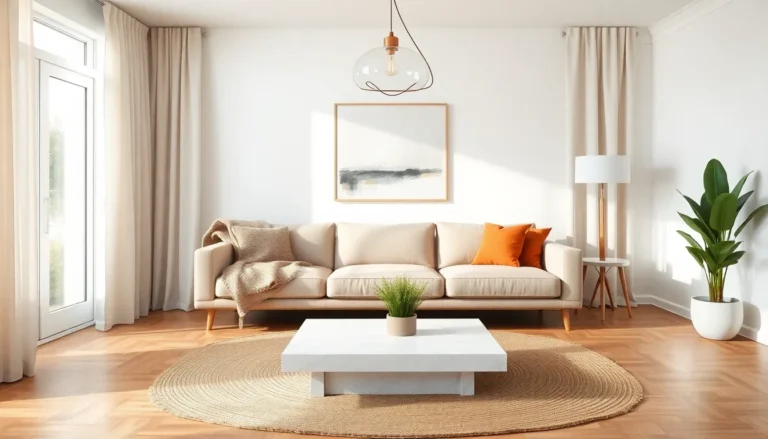
Finding the right interior design ideas can change how a home looks and feels. A well-designed space improves daily life, boosts mood, and reflects personal taste. This interior design ideas guide covers practical tips for every room in the house. Readers will learn how to identify their style, apply core design principles, and refresh spaces without overspending. Whether starting from scratch or updating an existing room, these strategies help create a home that feels both beautiful and functional.
Table of Contents
ToggleKey Takeaways
- Start your interior design journey by identifying your personal style through saved images and favorite possessions to guide all decorating decisions.
- Apply core design principles—balance, scale, focal points, and the 60-30-10 color rule—to create intentional, comfortable spaces.
- Layer three types of lighting (ambient, task, and accent) in living rooms for flexibility and visual depth.
- Design bedrooms as calm retreats by choosing soothing colors, quality bedding, and limiting electronics for better sleep.
- Transform any room on a budget with paint, rearranged furniture, updated hardware, or secondhand finds.
- Focus spending on high-impact items like statement rugs, quality lighting, and meaningful artwork for the biggest design payoff.
Understanding Your Personal Design Style
Every successful interior design project starts with one question: What style feels right? Personal design style acts as a roadmap for every decision, from furniture selection to paint colors.
Some people gravitate toward modern minimalism. Clean lines, neutral palettes, and open spaces define this look. Others prefer traditional design with ornate details, warm woods, and classic patterns. Mid-century modern blends retro shapes with contemporary comfort. Bohemian style mixes colors, textures, and global influences freely.
To identify a personal style, collect images that spark joy. Pinterest boards, magazine clippings, and saved Instagram posts reveal patterns. Notice recurring themes, are most images bright and airy or dark and cozy? Do they feature sleek furniture or vintage pieces?
Another approach involves examining existing possessions. Favorite items often hint at underlying preferences. A person who treasures a grandmother’s antique vase might lean traditional. Someone drawn to geometric artwork may prefer contemporary design.
Don’t feel locked into one category. Many beautiful homes blend styles. A mostly modern space can include rustic wood accents. A traditional room might feature one bold, contemporary art piece. Interior design ideas work best when they reflect the people who live in the space.
Essential Design Principles for Every Room
Strong interior design ideas rely on proven principles. These guidelines help create spaces that look intentional and feel comfortable.
Balance
Balance creates visual stability. Symmetrical balance places matching items on either side of a center point, think matching nightstands flanking a bed. Asymmetrical balance uses different objects of similar visual weight. A large sofa might balance with two smaller chairs across the room.
Scale and Proportion
Furniture should fit the room’s size. A massive sectional overwhelms a small living room. Tiny accent chairs disappear in a large great room. Measure spaces before buying furniture. Leave enough room for comfortable movement, at least 36 inches in walkways.
Focal Points
Every room needs a star. A fireplace, statement artwork, or architectural feature can serve as a focal point. Arrange furniture to highlight this element. In rooms without obvious focal points, create one with a bold headboard, accent wall, or striking light fixture.
Color and Contrast
Color sets mood. Cool blues and greens feel calm. Warm yellows and oranges energize. The 60-30-10 rule helps: 60% dominant color (walls, large furniture), 30% secondary color (upholstery, curtains), 10% accent color (pillows, artwork). Contrast adds interest, pair light walls with dark furniture or vice versa.
Texture and Layering
Texture prevents rooms from feeling flat. Mix smooth leather with nubby wool. Combine glossy ceramics with matte wood. Layered textiles, rugs over hardwood, throws over sofas, add depth and warmth.
Living Room Design Ideas
The living room often serves as a home’s social hub. Interior design ideas for this space should prioritize both comfort and conversation.
Start with seating arrangement. Face sofas and chairs toward each other to encourage interaction. Keep seating within eight feet for easy conversation. A coffee table or ottoman in the center anchors the grouping.
Lighting matters more than many realize. Layer three types: ambient (overhead fixtures or recessed lights), task (reading lamps), and accent (wall sconces or picture lights). Dimmer switches add flexibility for different occasions.
Storage keeps living rooms tidy. Built-in shelving displays books and objects while hiding clutter. Media consoles with closed storage conceal electronics. Baskets and decorative boxes corral remotes, blankets, and magazines.
Window treatments frame views and control light. Floor-length curtains make ceilings appear taller. Mount rods several inches above the window frame for this effect. Sheer panels filter harsh sunlight while maintaining privacy.
Personal touches complete the space. Family photos, travel souvenirs, and collected objects tell a story. Group similar items in odd numbers, three vases or five framed prints create visual interest.
Bedroom and Bathroom Design Inspiration
Bedrooms and bathrooms serve as private retreats. Interior design ideas for these spaces should promote rest and renewal.
Bedroom Design Tips
The bed dominates bedroom design. Choose quality bedding, thread count matters less than fabric quality. Layer sheets, a duvet, and decorative pillows for a hotel-like look.
Nightstand height should match mattress height. This placement makes reaching for water or books comfortable. Bedside lamps need to be tall enough for reading in bed without glare.
Keep bedrooms calm. Limit electronics and work materials. Choose soothing colors, soft blues, greens, and neutrals promote sleep better than bright reds or oranges. Blackout curtains improve sleep quality.
Storage prevents bedroom clutter. Under-bed containers hold seasonal items. A bench at the foot of the bed offers seating and storage. Closet organizers maximize wardrobe space.
Bathroom Design Tips
Bathrooms benefit from spa-like touches. Rolled towels, plants that thrive in humidity (pothos, ferns), and attractive containers for toiletries elevate everyday routines.
Good lighting proves essential. Vanity lights should flank the mirror at face height to reduce shadows. Dimmer switches allow for relaxing baths.
Maximize storage with floating shelves, medicine cabinets, and over-toilet organizers. Clear countertops make small bathrooms feel larger. Use matching containers for cotton balls, swabs, and other small items.
Budget-Friendly Tips for a Fresh Look
Great interior design ideas don’t require unlimited funds. Strategic updates create big impact without major expense.
Paint transforms rooms faster than any other change. A fresh coat in a new color costs under $100 for most rooms. Even painting trim or a single accent wall makes a difference.
Rearrange existing furniture before buying new pieces. A different layout can make a room feel completely different. Try floating furniture away from walls or creating distinct zones.
Update hardware for instant refresh. New cabinet knobs, drawer pulls, and light switch plates cost little but add polish. Match finishes throughout a room for a cohesive look.
Shop secondhand for unique finds. Thrift stores, estate sales, and online marketplaces offer quality furniture at fraction of retail prices. A coat of paint or new upholstery transforms dated pieces.
Focus spending on high-impact items. A statement rug anchors a living room. Quality lighting fixtures draw the eye. One perfect piece of artwork beats several mediocre prints.
DIY projects stretch budgets further. Painting furniture, making pillow covers, or creating gallery walls saves money while adding personal character. Online tutorials make many projects accessible to beginners.