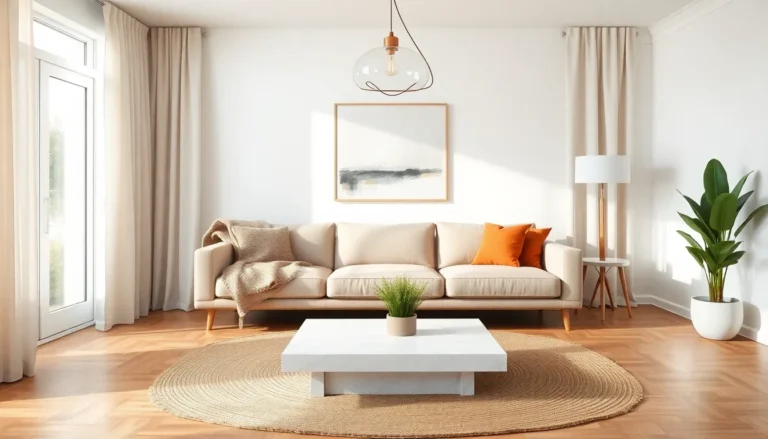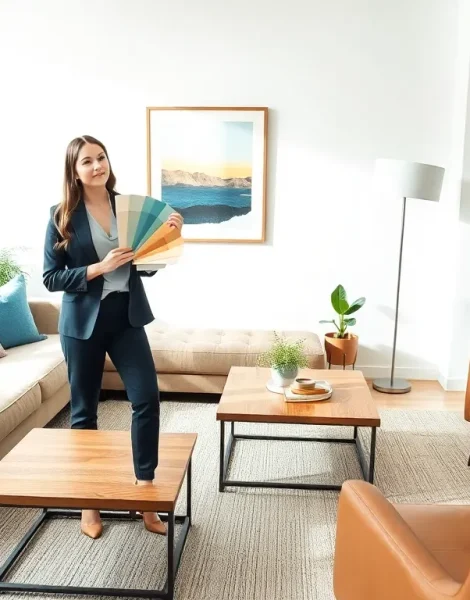
Interior design ideas for beginners don’t have to feel overwhelming. Anyone can create a beautiful, functional space with a few foundational concepts and practical tips. This guide breaks down the essentials, from color palettes to furniture placement, so first-time decorators can approach their projects with confidence. Whether someone is moving into a new apartment or refreshing a tired living room, these straightforward strategies will help transform any space into something that feels intentional and inviting.
Table of Contents
ToggleKey Takeaways
- Interior design ideas for beginners start with mastering core principles like balance, proportion, and creating a clear focal point in every room.
- Use the 60-30-10 color rule—60% dominant color, 30% secondary, and 10% accent—to create visual harmony without overcomplicating your palette.
- Always measure your space and furniture before purchasing to avoid one of the most common beginner decorating mistakes.
- Layer three types of lighting (ambient, task, and accent) to create a warm, functional atmosphere instead of relying solely on harsh overhead lights.
- Float furniture away from walls and arrange seating to encourage conversation for a more inviting, spacious feel.
- Edit your accessories ruthlessly—a few meaningful pieces with negative space look better than cluttered surfaces.
Understanding Basic Design Principles
Every great interior design project starts with a few core principles. Beginners should learn these concepts before buying a single throw pillow.
Balance refers to how visual weight distributes across a room. Symmetrical balance means matching elements on either side of a central point, think two identical lamps flanking a sofa. Asymmetrical balance uses different objects of similar visual weight to create interest without mirroring.
Proportion and scale matter more than most people realize. A massive sectional in a small studio apartment will overwhelm the space. A tiny coffee table in front of a large sofa looks awkward. Furniture should relate properly to both the room size and to each other.
Rhythm creates visual movement. Repeating colors, patterns, or shapes throughout a room guides the eye and ties everything together. A blue accent pillow might echo a blue vase across the room, for example.
Focal points give a room purpose. Every space benefits from one dominant feature, a fireplace, a statement piece of art, or a bold headboard. Interior design ideas for beginners often fail because rooms lack this anchor.
These principles aren’t rigid rules. They’re tools that help explain why some spaces feel “right” and others feel off. Understanding them gives beginners a framework for making confident decisions.
Choosing a Color Palette That Works
Color selection trips up many first-time decorators. The good news? A simple approach works better than a complicated one.
Start with the 60-30-10 rule. This classic formula suggests using a dominant color for 60% of the room (usually walls and large furniture), a secondary color for 30% (upholstery, curtains, rugs), and an accent color for the remaining 10% (pillows, art, accessories). This ratio creates visual harmony without requiring a design degree.
Neutral bases offer flexibility. Whites, grays, beiges, and taupes work as dominant colors because they pair well with almost anything. Beginners who choose neutral walls can easily swap out accent pieces as their taste evolves.
Warm colors (reds, oranges, yellows) energize a space. Cool colors (blues, greens, purples) calm it down. Consider the room’s function when selecting a palette. A home office might benefit from cool, focused tones. A dining room could handle warmer, more social hues.
Interior design ideas for beginners should include this tip: pull colors from something you already love. A favorite painting, a patterned rug, or even a piece of fabric can become the starting point for an entire room’s palette. This method eliminates guesswork and guarantees cohesion.
Test paint samples on the actual walls before committing. Colors look different under various lighting conditions. What appears perfect in the store might read completely different at home.
Selecting Furniture and Layout Essentials
Furniture selection and arrangement can make or break a room. Smart choices here pay dividends for years.
Measure everything. This sounds obvious, but skipping measurements causes more beginner headaches than any other mistake. Measure the room. Measure doorways (furniture needs to fit through them). Measure the space where each piece will live. Then measure again.
Create conversation areas. In living rooms, arrange seating to encourage interaction. Sofas and chairs should face each other, with no more than eight feet between them. This setup feels welcoming rather than like a waiting room.
Leave breathing room. Walkways need 30-36 inches of clearance. Coffee tables should sit 14-18 inches from sofa edges. Dining chairs require 36 inches of space to pull out comfortably. Cramped rooms feel stressful regardless of how nice the furniture looks.
Anchor with rugs. Area rugs define spaces and add warmth. In living rooms, all furniture legs should sit on the rug, or at minimum, the front legs of sofas and chairs. A rug that’s too small makes everything look disconnected.
Interior design ideas for beginners often overlook traffic flow. Walk through the space and notice natural pathways. Furniture shouldn’t block these routes. People will walk around obstacles, but they’ll resent doing it.
Quality matters more than quantity. One well-made sofa beats three cheap ones. Invest in pieces that see daily use, sofas, mattresses, dining tables, and save on decorative items that can be upgraded later.
Adding Texture, Lighting, and Finishing Touches
The details separate good rooms from great ones. Texture, lighting, and accessories bring spaces to life.
Layer textures to add depth. A room with only smooth surfaces feels flat and cold. Mix materials: a linen sofa, a wool throw, a leather chair, a ceramic vase, a wooden coffee table. These contrasts create visual interest without adding clutter.
Plan lighting in layers. Most rooms need three types:
- Ambient lighting provides overall illumination (ceiling fixtures, recessed lights)
- Task lighting serves specific functions (desk lamps, reading lights)
- Accent lighting highlights features (picture lights, uplights, candles)
Relying solely on overhead lights creates harsh, unflattering environments. Table lamps and floor lamps soften spaces and allow for mood adjustments.
Interior design ideas for beginners should emphasize the power of plants. Greenery adds life, color, and texture instantly. Even those without green thumbs can maintain pothos, snake plants, or ZZ plants with minimal effort.
Edit ruthlessly. Beginners often over-accessorize. Every surface doesn’t need a decoration. Group items in odd numbers (three candles look better than four). Leave some negative space. A few meaningful pieces beat a dozen forgettable ones.
Mirrors expand small spaces and bounce light around dark corners. Placing a mirror opposite a window effectively doubles the natural light in a room.
Common Beginner Mistakes to Avoid
Learning what not to do saves time, money, and frustration. These pitfalls catch many first-time decorators.
Pushing all furniture against walls. This instinct makes sense, it seems like it would maximize floor space. But floating furniture away from walls actually makes rooms feel larger and more inviting. Pull that sofa forward.
Hanging art too high. Center artwork at eye level, roughly 57-60 inches from floor to center. Most people hang pieces too high, creating visual disconnection between art and furniture below it.
Ignoring scale in artwork. A tiny frame above a large sofa looks lost. Art should fill about two-thirds to three-quarters of the wall space above furniture. When in doubt, go bigger or create a gallery wall.
Matching everything too perfectly. A room where every piece comes from the same furniture set looks like a showroom display, and not in a good way. Interior design ideas for beginners should include mixing styles, eras, and finishes for personality.
Buying everything at once. Rooms that come together over time feel more authentic than those assembled in a single shopping trip. Live with a space before filling it. Needs become clearer with use.
Neglecting function for form. A beautiful chair nobody can sit in comfortably is a sculpture, not furniture. Every piece should earn its place through usefulness.