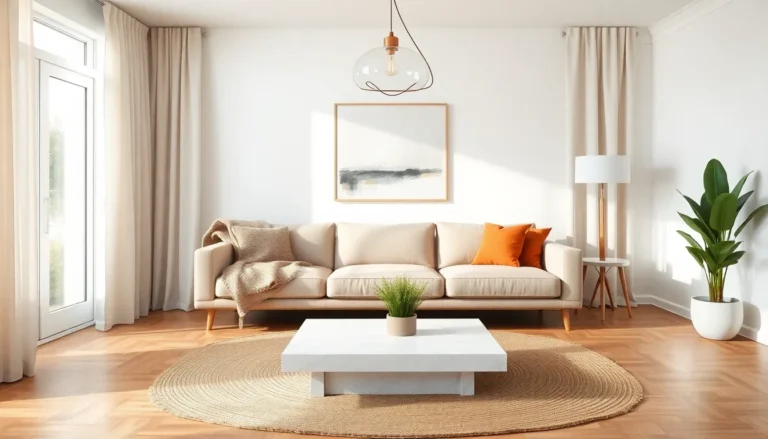
Good interior design ideas and tips can turn any room from ordinary to stunning. Whether someone is moving into a new home or refreshing a tired space, the right approach makes all the difference. The goal isn’t just to fill rooms with furniture, it’s to create environments that feel intentional, comfortable, and uniquely personal.
This guide covers practical interior design ideas and tips that work for any budget or skill level. From setting a clear vision to layering textures, these strategies help anyone design spaces they’ll love coming home to.
Table of Contents
ToggleKey Takeaways
- Start every interior design project with a clear vision and realistic budget, allocating 40-50% to anchor pieces like sofas and beds.
- Use the 60-30-10 color rule to create cohesive palettes—60% dominant color, 30% secondary, and 10% accent.
- Match furniture scale to room dimensions and arrange pieces around a focal point for better flow and proportion.
- Layer three types of lighting—ambient, task, and accent—to add depth and flexibility to any space.
- Mix textures like leather, wood, and textiles to prevent rooms from feeling flat, even with neutral color schemes.
- Curate meaningful accents and plants to add personality without creating clutter.
Start With a Clear Vision and Budget
Every successful design project starts with two things: a vision and a budget. Without these, homeowners often end up with disconnected pieces that don’t work together.
First, they should define what they want the space to feel like. Is it a cozy reading nook? A sleek modern living room? A vibrant family gathering spot? Collecting inspiration images from Pinterest, magazines, or design apps helps clarify the direction. These references reveal patterns, maybe someone gravitates toward warm neutrals, or perhaps bold jewel tones keep appearing.
Next comes the budget. Interior design ideas and tips only work when they’re realistic about spending. A good rule is to allocate 40-50% of the budget to anchor pieces like sofas and beds. The remaining funds go toward smaller furniture, decor, and unexpected costs. And there are always unexpected costs.
Prioritizing matters too. If the living room gets the most use, it should get the most investment. Guest rooms used twice a year can wait. This practical approach ensures resources go where they’ll have the biggest impact.
Pro tip: Create a mood board, digital or physical, that includes colors, textures, and furniture styles. It serves as a roadmap and prevents impulse purchases that don’t fit the overall scheme.
Choose a Cohesive Color Palette
Color sets the mood of any room. It’s also where many people struggle. Too many colors create chaos. Too few feel sterile.
The 60-30-10 rule offers a reliable framework. Sixty percent of the room uses a dominant color (typically walls and large furniture). Thirty percent goes to a secondary color (curtains, rugs, accent chairs). Ten percent is an accent color for pops of interest (pillows, artwork, decorative objects).
Neutral palettes remain popular because they’re forgiving and timeless. Whites, grays, beiges, and taupes create calm foundations. But neutral doesn’t mean boring. Texture and material variation add depth, think linen drapes, wool rugs, and leather chairs all in similar tones.
For those who crave color, these interior design ideas and tips still apply. A navy blue sofa becomes the 60%, cream and gold accents fill the remaining percentages. The key is consistency across the space.
Natural light affects how colors appear. That perfect greige might look muddy in a north-facing room or washed out in direct sunlight. Always test paint samples in the actual space for at least 24 hours before committing.
Remember: colors can always be introduced gradually. Start with larger neutral pieces and add color through easily swapped items like pillows, throws, and art.
Balance Furniture Scale and Layout
A beautiful sofa means nothing if it overwhelms the room, or gets lost in it. Scale and proportion are critical interior design ideas and tips that professionals use instinctively.
Furniture should match the room’s dimensions. In small spaces, oversized sectionals swallow floor area and make movement difficult. In large rooms, delicate pieces look lost and disconnected. Measuring before buying prevents costly mistakes.
Layout follows function. Every room has a focal point: a fireplace, a window, a TV, or an architectural feature. Furniture should orient toward this anchor. Sofas and chairs work best when arranged for conversation, typically 8-10 feet apart for comfortable dialogue.
Traffic flow deserves attention too. Clear pathways between furniture allow easy movement. A minimum of 30 inches works for main walkways, while 18 inches suffices for tighter areas.
Floating furniture away from walls often creates better proportion than pushing everything against the perimeter. This technique makes rooms feel more intimate and intentional.
Area rugs help define zones within larger spaces. The front legs of sofas and chairs should sit on the rug to anchor the seating area. A rug that’s too small looks like an afterthought.
Don’t forget vertical space. Low furniture in a room with high ceilings feels unbalanced. Tall bookcases, floor-length curtains, and statement lighting help fill vertical voids and draw the eye upward.
Layer Lighting for Function and Ambiance
Lighting transforms spaces more dramatically than almost any other element. Yet most people stop at overhead fixtures and call it done. That’s a missed opportunity.
Effective lighting uses three layers: ambient, task, and accent. Ambient lighting provides overall illumination, ceiling fixtures, recessed lights, or chandeliers. Task lighting targets specific activities like reading, cooking, or applying makeup. Accent lighting highlights artwork, architectural details, or decorative objects.
These interior design ideas and tips apply to every room. A living room might combine a central pendant (ambient), table lamps by reading chairs (task), and picture lights above artwork (accent). The layers work together to create depth and flexibility.
Dimmers deserve more appreciation than they get. They allow one fixture to serve multiple purposes, bright for activities, dimmed for relaxation. Installing dimmers costs little but adds significant value.
Bulb temperature matters as well. Warm white (2700K-3000K) creates cozy, inviting atmospheres suited for bedrooms and living areas. Cool white (4000K+) works better in kitchens, bathrooms, and home offices where alertness matters.
Natural light should be maximized wherever possible. Light-colored window treatments, strategically placed mirrors, and minimal obstruction near windows all help. Sunlight improves mood, reduces electricity costs, and makes colors appear more accurate.
Add Personality Through Textures and Accents
Texture prevents rooms from feeling flat or generic. It’s one of the most underrated interior design ideas and tips available.
Mixing materials creates visual interest even within a monochromatic scheme. Combine smooth leather with chunky knits, polished metal with raw wood, glossy ceramics with woven baskets. The contrast makes each element stand out while the whole remains cohesive.
Textiles offer the easiest texture opportunities. Layered rugs, patterned pillows, and soft throws invite touch and add warmth. Curtains, upholstery fabrics, and bedding provide additional chances to introduce tactile variety.
Accents reveal personality. Travel souvenirs, family photos, vintage finds, and collected objects tell a story that no catalog can replicate. These pieces don’t need to be expensive, they need to mean something.
Plants bring life to any space, literally. They add color, texture, and movement. Even low-maintenance options like pothos, snake plants, or succulents make rooms feel more inviting.
Art and mirrors anchor walls and reflect personal taste. Groupings of smaller pieces create gallery walls: larger statement works stand alone. Mirrors amplify light and create the illusion of more space.
The goal with accents is curation, not clutter. Edit regularly. If something no longer brings joy or serves a purpose, it’s time for it to go.